
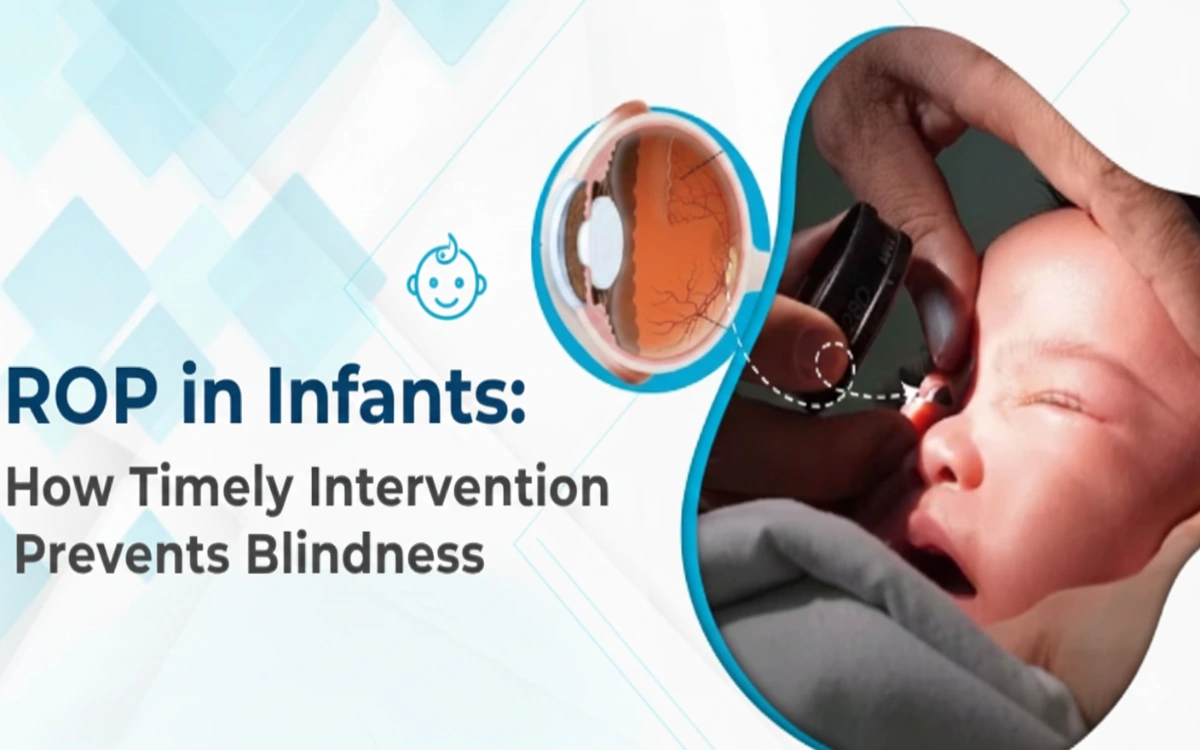
Retinopathy of prematurity treatment is one of the most vital areas of neonatal eye care today. Premature infants, born before their eyes are fully developed, are at risk of a serious yet preventable condition known as Retinopathy of Prematurity (ROP). Understanding how this condition develops, how it can be detected early, and what treatment options are available can make all the difference between a child having normal vision or facing lifelong visual impairment.
For parents of premature babies, this topic can often feel overwhelming. But the truth is, with proper ROP screening guidelines, timely diagnosis, and the right ROP prevention methods, blindness due to ROP can almost always be avoided. Let us explore how early intervention and vigilant care can protect the delicate eyes of premature infants.
Understanding Retinopathy of Prematurity (ROP)
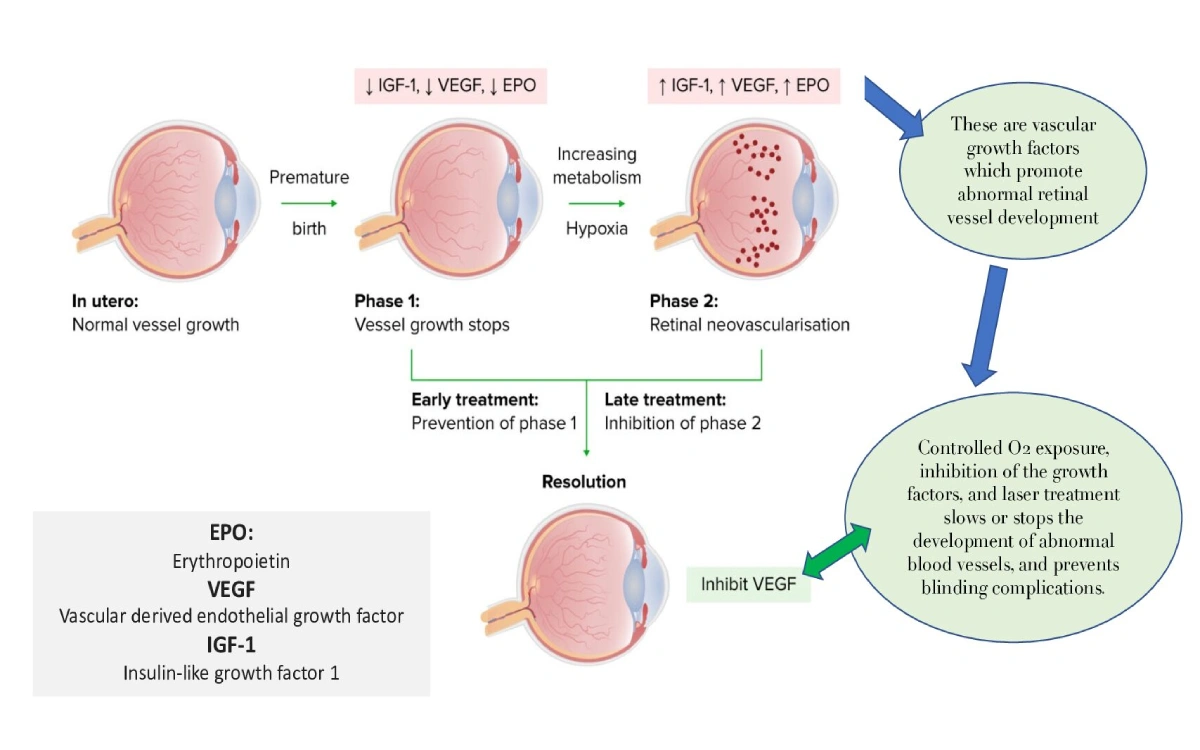
Retinopathy of Prematurity is a condition where abnormal blood vessels grow in the retina, the light-sensitive layer at the back of the eye. This abnormal growth occurs because the blood vessels that should have continued developing in the womb are interrupted due to premature birth. When exposed to oxygen and other environmental changes outside the womb, these vessels can grow irregularly and sometimes pull on the retina, leading to detachment and blindness.
ROP most commonly affects babies born before 31 weeks of pregnancy or those weighing less than 1.5 kilograms. However, even babies born slightly later or heavier can develop mild forms of ROP, particularly if they have other health complications that require oxygen therapy.
Why Premature Infants Are at Risk
The eyes of an unborn baby continue to develop until the last few weeks of pregnancy. In premature babies, this process is abruptly interrupted. When they are exposed to the external environment, the oxygen concentration differs significantly from what they would have received in the womb. This triggers abnormal vessel formation in the retina.
Premature infants often need respiratory support, blood transfusions, and other intensive care measures. While these treatments are lifesaving, they can contribute to unstable oxygen levels, increasing the risk of premature infant eye disease such as ROP. This is why a balance between respiratory support and strict oxygen monitoring is essential in neonatal care.
The Stages of ROP
ROP progresses in stages, and recognising these stages is key to determining the right treatment plan.
- Stage 1: Mild abnormal blood vessel growth. Usually, no treatment is required, but close monitoring is essential.
- Stage 2: Moderate vessel growth, with a risk of further progression. Regular follow-up is critical.
- Stage 3: Severe vessel growth, which may require treatment to prevent retinal detachment.
- Stage 4: Partial retinal detachment. Immediate treatment is necessary.
- Stage 5: Total retinal detachment, leading to blindness if untreated.
Early stages can often resolve spontaneously, but progression to stages 3, 4, or 5 without timely retinopathy of prematurity treatment can lead to permanent vision loss.
Early Detection: The Role of ROP Screening
The cornerstone of preventing blindness in ROP is early detection through proper screening. According to most international and ROP screening guidelines, every premature infant born before 34 weeks of gestation or weighing less than 2 kilograms should undergo an eye screening within the first 4 weeks after birth. Babies with additional risk factors may require screening even earlier.
Screening is performed using an ophthalmoscope or specialised retinal imaging devices. It allows the ophthalmologist to visualise the blood vessels in the retina and determine whether they are developing normally. If any abnormality is detected, follow-up screenings are scheduled every 1–2 weeks until the blood vessels mature or treatment becomes necessary.
Parents play a crucial role here. It is vital to ensure that the baby’s scheduled ROP screenings are not missed, even if the infant has been discharged from the neonatal intensive care unit (NICU). Many cases of severe ROP occur when follow-up appointments are delayed or missed after discharge.
Treatment Options for ROP
If ROP is detected early, modern retinopathy of prematurity treatment methods can prevent blindness in almost all cases. The choice of treatment depends on the stage and severity of the disease.
1. Laser Therapy
Laser photocoagulation is one of the most common treatments. The laser burns the peripheral retina to stop abnormal blood vessel growth. This helps stabilise the retina and prevents detachment. It is a quick procedure, often done under anaesthesia, and has an excellent success rate.
2. Anti-VEGF Injections
In more advanced or aggressive forms of ROP, doctors may use anti-VEGF (vascular endothelial growth factor) injections. These medications, such as ranibizumab or bevacizumab, block the signals that cause abnormal blood vessel growth. The treatment is minimally invasive and can be life-changing, but close monitoring is required afterwards to ensure that the disease does not recur.
3. Surgery
In the rare event that ROP progresses to retinal detachment (Stage 4 or 5), surgical options such as vitrectomy or scleral buckling may be required. These are advanced procedures performed by paediatric retina specialists to reattach the retina and preserve as much vision as possible.
Following ROP Screening Guidelines for Best Outcomes
Adherence to ROP screening guidelines is the single most important factor that determines visual outcomes in premature infants. Hospitals and NICUs have established structured screening protocols, but parental awareness remains key.
The basic principles of screening include:
- The first screening should occur by 4 weeks of chronological age (or 30 days after birth).
- Follow-up screenings should continue until the retinal blood vessels have fully developed.
- High-risk babies may require extended follow-up into early childhood.
If parents are unsure about their baby’s screening schedule, they should always consult their neonatologist or paediatric ophthalmologist immediately.
Prevention: Protecting Vision from the Start
Preventing ROP begins with ensuring healthy neonatal care practices. ROP prevention methods include the careful monitoring of oxygen therapy, controlling infections, and maintaining stable blood sugar and blood pressure levels in premature infants.
Doctors and NICU teams play an essential role, but parents can contribute as well by following these steps:
- Ensure scheduled check-ups: Do not skip any eye examinations.
- Provide proper nutrition: Breast milk supports the development of the retina and overall eye health.
- Monitor developmental milestones: If a baby does not respond to light or visual cues, seek immediate evaluation.
- Create a safe environment: Protect the baby’s eyes from direct light exposure and injury.
These steps, although simple, form the foundation of infant eye health care and can prevent a lifetime of vision problems.
Long-Term Eye Care After ROP Treatment
Even after successful treatment, infants who have had ROP need regular eye check-ups as they grow. They may have a higher risk of conditions such as:
- Myopia (short-sightedness)
- Strabismus (crossed eyes)
- Amblyopia (lazy eye)
- Glaucoma or cataracts in rare cases
Regular follow-ups with an ophthalmologist help detect and treat these conditions early. Parents should remain vigilant about their child’s visual behaviour, such as squinting, holding objects too close, or poor eye coordination.
The Emotional Side of ROP: Supporting Parents
Having a premature infant can be emotionally challenging, especially when faced with medical complications like ROP. Parents often feel anxious or guilty, but it is important to remember that ROP is not caused by anything they did or did not do. It is a condition that results from premature birth and can be effectively managed with modern medicine.
Support groups and counselling can help parents cope with the stress of frequent hospital visits and treatments. Many hospitals also offer guidance from neonatal care teams who can walk parents through each stage of their baby’s recovery and eye development.
Future of Retinopathy of Prematurity Treatment
Medical advances continue to improve the detection and management of ROP. Digital retinal imaging, telemedicine, and AI-assisted screening tools are making early diagnosis possible even in remote areas. Research into new medications and genetic therapies promises safer and more effective solutions in the future.
The goal remains the same: to ensure that every premature infant, regardless of where they are born, receives timely care that prevents blindness.
Conclusion
Early retinopathy of prematurity treatment and strict adherence to ROP screening guidelines can completely prevent blindness in premature babies. Awareness, timely diagnosis, and collaboration between parents and doctors make all the difference.
If your baby was born prematurely, schedule a retinal examination with Dr. Mandeep Lamba, Ophthalmologist and Retina Specialist, Dubai. His clinic provides advanced infant eye health care, specialised ROP prevention methods, and comprehensive follow-up care for premature infants.
For appointments or more information, contact Dr. Mandeep Lamba’s Clinic, Dubai at +971524227000 to ensure your child’s vision remains protected from the very start.


