
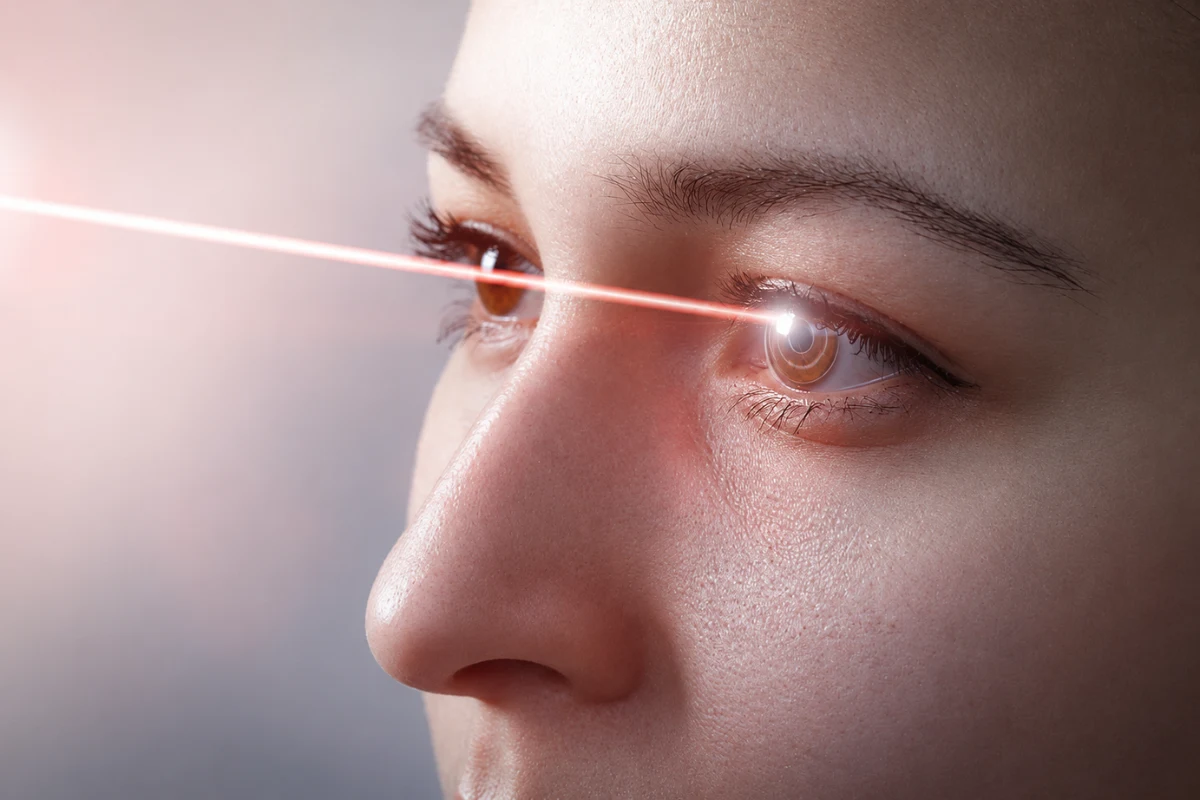
Hearing that you need a laser for your retina can feel alarming. Most patients immediately think it sounds serious, painful, or difficult to recover from. But in reality, retinal laser treatment is often a precise outpatient procedure done to protect vision, not because something has already gone badly wrong, but to prevent it from getting worse. In many cases, it is used to strengthen weak retinal areas, seal a tear, or reduce the risk of retinal detachment.
What patients usually worry about next is recovery. Will vision be blurry? Is discomfort normal? How soon can you get back to work or daily life? These are important questions, and the answer depends on why the laser was needed and how the eye responds afterwards.
The reassuring part is that for most people, recovery is far more manageable than expected, especially when they know what is normal and what should prompt a review.
Why This Treatment Is Done in the First Place
The retina is the light-sensitive tissue at the back of the eye. If there is a tear, a hole, or an area that looks dangerously weak, fluid can sometimes pass underneath it and lead to retinal detachment. That is why doctors often treat early, before the problem becomes larger and harder to manage.
This is an important point to understand. The laser is not being done just to deal with a small finding on a scan. Very often, it is used to reduce the chance of a much more serious retinal event later. In other words, the aim is usually protection, not simply correction.
When Doctors Commonly Recommend It
A retinal laser is not used for every retinal condition, but it is a common and well-established treatment in several situations.
Doctors may advise laser when they find:
- a retinal tear
- a retinal hole
- An area of retinal weakness is considered high risk
- fluid around a retinal break
- selected diabetic retinal changes
- certain abnormal blood vessels
- retinal problems discovered after symptoms such as flashes or floaters
The decision depends on symptoms, examination findings, and the specialist’s judgement. Some retinal changes can be monitored, while others are better treated early to reduce future risk.
How the Procedure Is Usually Performed
This treatment is normally done in a clinic or day-care setting rather than a full operating theatre. The eye is numbed with drops, the pupil is often dilated, and a special contact lens may be placed on the eye so the doctor can focus the laser accurately on the retina.
The session is usually shorter than many patients expect. For most people, the more difficult part is not pain, but staying still, keeping the head in position, and tolerating the bright flashes of light. Some patients feel almost no real discomfort. Others feel moments of stinging or pressure during certain parts of the treatment. Both experiences can be normal.
How It Helps Retinal Tears and Weak Areas
One of the most common reasons for this procedure is using a laser for retinal tears and holes. The treatment works by creating a ring or barrier of small laser spots around the break. These spots heal into scar tissue, which helps anchor the retina and reduce the chance of the tear progressing to detachment.
From the patient’s point of view, this matters because the treatment is often done before a full detachment has occurred. That is why symptoms like new floaters, flashing lights, or a shadow in vision should never be brushed aside. Catching the problem at the tear stage is usually far simpler than treating a full retinal detachment later.
What the Procedure Feels Like
Patients almost always want a simple answer here. The best way to describe it is that the treatment usually feels strange and bright rather than severely painful.
You may notice:
- bright flashes of light
- mild stinging or pricking sensations
- pressure from the contact lens
- watering during or after the session
- temporary dazzle afterwards
Some areas of the retina are more sensitive than others, so one patient may say it was easy while another says parts of it felt quite uncomfortable. That variation is completely normal.
Common Side Effects After Treatment
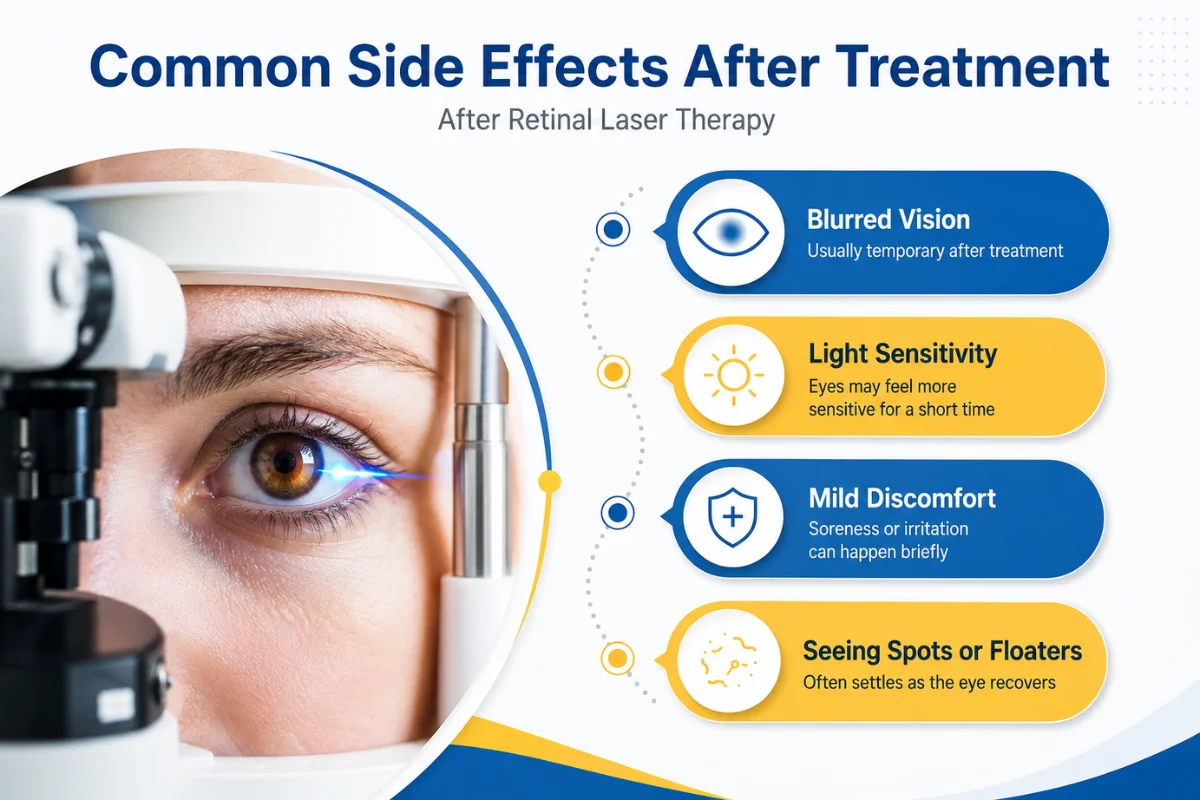
Knowing what is expected helps patients recover with much less anxiety. Most retinal laser treatment side effects are short-term and settle without causing harm.
Common temporary effects include:
- blurred vision
- light sensitivity
- watering
- a gritty or slightly sore feeling
- mild headache
- seeing spots or glare for a short time
- awareness of the treated eye for several hours or days
Many of these happen because the pupil has been dilated, the eye has been exposed to bright laser light, or a contact lens was used during the procedure. For most patients, these symptoms ease within hours or by the next day, though some may notice mild visual disturbance for a little longer.
What to Expect on the First Day or Two
The first thing to understand about what to expect after retinal laser is that the eye may not feel completely normal straight away. Vision may be blurred for a few hours, especially if the pupil is still dilated. Bright light may feel uncomfortable. The eye surface may feel mildly irritated or gritty later the same day.
The second thing to understand is that this treatment often works quietly in the background. You may not “feel” the benefit immediately, especially if the laser was done to prevent a future problem rather than improve current vision. Success is often judged by retinal stability rather than a dramatic change in how the eye feels the next morning.
Recovery Advice Patients Should Follow
In most cases, recovery after retinal laser therapy is far easier than recovery after retinal surgery, but it still deserves proper care. Just because it is an outpatient treatment does not mean the retina should be ignored afterwards.
Helpful recovery tips include:
- Rest for the remainder of the day if your vision feels dizzy
- avoid rubbing or pressing on the eye
- Use prescribed drops exactly as advised
- Avoid strenuous exercise or heavy lifting until your doctor says it is safe
- Attend follow-up even if the eye feels fine
- Contact your retina specialist if symptoms worsen rather than improve
Many patients can return to light daily routines fairly quickly. But intense exercise, heavy gym work, sudden jerking movements, or physically demanding labour may need to wait until the retina has been reviewed.
How Long Does It Take to Settle
There is no single timeline that fits every patient. Some people feel almost normal by the next day. Others notice mild blur, light sensitivity, or awareness of the treated eye for several days.
It is also worth remembering that the sealing effect of the laser takes time to strengthen. The purpose of follow-up is to confirm that the treated area has responded well and that no new retinal problem has appeared nearby. So even when the procedure goes smoothly, the story is not always over the moment you leave the clinic.
When You Should Be More Concerned
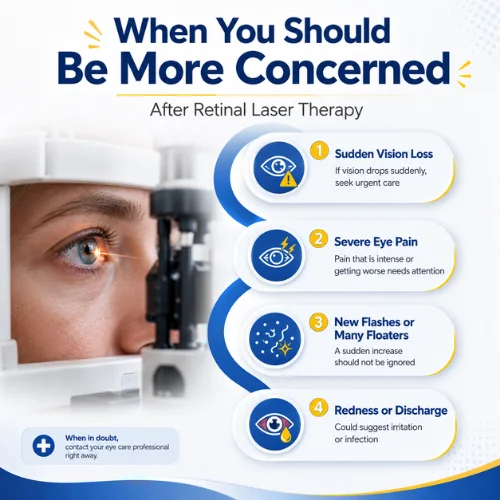
A little blur or irritation is common. A significant change is not. Patients should know the difference.
You should contact your eye specialist urgently if you develop:
- a sudden increase in floaters
- more flashes than before
- a curtain, veil, or dark shadow in vision
- noticeably worse sight
- persistent severe pain
- increasing redness that seems to be worsening rather than settling
These symptoms matter because they can signal that the retina is still under traction or that detachment may be developing despite treatment.
Driving, Flying, and Returning to Work
These are practical questions patients often ask before they leave the clinic.
Driving is usually not sensible on the same day if the pupil is still dilated or vision is blurred. It is best to arrange for someone else to take you home.
Flying is not usually the same issue; it can be after procedures involving a gas bubble, but the real question is whether the retina itself is stable. Your doctor may guide you based on the condition being treated.
Returning to work depends on the kind of work you do. Desk-based work may be possible fairly soon if vision is comfortable enough. Heavy physical work or strenuous activity may need a longer pause.
Why Some Patients Still Need More Treatment
Laser is very effective in many cases, but it does not guarantee that no further retinal issues will ever appear. A new tear can develop in another area, or the retina may continue to be pulled by the vitreous in a way that needs further monitoring.
This does not mean the original treatment failed. It simply means retinal conditions can evolve, and good follow-up remains part of safe care. That is why your doctor may still want to review the retina even if the first treatment appeared to go well.
Why the Benefits Usually Outweigh the Temporary Side Effects
Patients often ask whether the brief discomfort or blur is really worth it. In most cases, the answer is yes. A few hours or days of mild irritation is usually far less serious than allowing an untreated retinal tear to progress to detachment, which may require surgery and can threaten sight much more significantly.
It helps to think of laser treatment as a protective step. It may not feel dramatic afterwards, but its job is often to prevent a much larger retinal problem from happening.
Seeking Care at the Right Time
For patients considering retinal laser therapy in Dubai, the real value lies not only in having the procedure done, but in getting the right diagnosis, precise treatment, and clear recovery advice. Prompt review of flashes, floaters, or a shadow in vision can make a major difference, especially if a retinal tear is caught before it progresses.
Conclusion
Do not let the word “laser” scare you into delaying the treatment that could protect your vision. In many cases, retinal laser is a simple, timely step that helps prevent far more serious problems later. The key is understanding why it is needed, following recovery advice carefully, and knowing when symptoms need urgent attention.
If you have been advised to use a retinal laser or you notice new flashes, floaters, or a shadow in your vision, do not wait. Contact Dr Mandeep Lamba on +971 52 422 7000 for a specialist retinal assessment and the right treatment plan before the problem becomes more serious.
FAQs
Is retinal laser painful?
Most patients describe it as uncomfortable rather than truly painful. Numbing drops are used, but bright flashes and some stinging can still be felt.
Will my vision be blurry afterwards?
It can be, especially for a few hours if the pupil has been dilated or the eye surface feels irritated. This is often temporary.
Can retinal detachment still happen after laser?
Yes, it can, which is why follow-up and urgent review of new symptoms remain important.
Do I need bed rest afterwards?
Usually, not full bed rest, but strenuous activity is often limited for a short period, depending on the retinal problem being treated.
Is one session always enough?
Not always. Some patients need more monitoring or additional treatment depending on how the retina behaves afterwards.


