
Diabetic eye laser treatment has been a trusted and effective option for managing vision problems caused by diabetes for over three decades. For many people with diabetic retinopathy, laser therapy has meant the difference between clear sight and permanent vision loss. But despite its success, many patients still hesitate due to concerns about pain, safety, or long-term results.
If you or someone you know has diabetes and has been advised to consider laser therapy, understanding how the treatment works, what to expect during and after the procedure, and its success rates can help you make a confident, informed decision.
Understanding Diabetic Retinopathy and the Role of Laser Treatment
Diabetic retinopathy occurs when high blood sugar levels damage the tiny blood vessels in the retina, leading to leakage, swelling, and sometimes abnormal vessel growth. Over time, this can cause bleeding inside the eye, retinal detachment, and severe vision loss if not treated promptly.
Laser therapy for diabetic retinopathy works by sealing leaking vessels, reducing swelling, and shrinking abnormal vessel growth. It prevents further damage and helps stabilise vision. While newer treatments such as anti-VEGF injections have become more common, laser therapy remains an essential and reliable option, especially for patients in advanced stages or with recurrent bleeding.
Types of Laser Treatments for Diabetic Eyes
Depending on the severity and type of diabetic eye disease, ophthalmologists may recommend one of the following laser procedures:
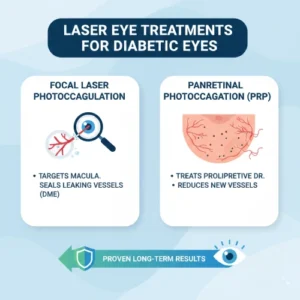
1. Focal Laser Photocoagulation
This type targets specific leaking blood vessels in the macula (the central part of the retina responsible for sharp vision). It is mainly used for diabetic macular edema (DME). The laser seals tiny leaks to stop fluid accumulation and reduce swelling.
2. Panretinal Photocoagulation (PRP)
This method treats widespread damage caused by proliferative diabetic retinopathy, where new fragile blood vessels grow on the retina. The laser creates small burns across the peripheral retina, reducing oxygen demand and causing abnormal vessels to shrink.
Both methods form the backbone of laser therapy for diabetic retinopathy, with proven long-term results in stabilising or improving vision.
What Happens During Diabetic Eye Laser Treatment
Before the procedure, your ophthalmologist will dilate your pupils and apply anaesthetic drops to numb the eye. In some cases, a mild sedative may be given to help you relax. The laser treatment is performed in the clinic and typically takes between 10 and 40 minutes, depending on the extent of the disease.
During the procedure, you may see bright flashes of light as the laser is applied to the retina. The doctor directs precise, controlled beams to the target areas without affecting surrounding healthy tissue.
Most patients complete the session without discomfort. However, a few may feel slight pressure or a tingling sensation during the laser application — this is completely normal and temporary.
Is Laser Eye Treatment Painful?
One of the most common concerns patients have is about pain during diabetic laser eye treatment. The good news is that the procedure is generally well-tolerated. Anaesthetic eye drops are used to numb the eye, ensuring that any discomfort is minimal.
Some patients describe the sensation as mild stinging, warmth, or pinpricks of light. Others feel nothing at all. For those with increased sensitivity or requiring longer sessions, the doctor can use additional numbing medication or divide the treatment into multiple sittings to ensure comfort.
After the procedure, your eyes may feel slightly sore or gritty for a few hours, but this subsides quickly with prescribed eye drops and rest.
Overall, when performed by an experienced specialist, pain from diabetic laser eye treatment is very minimal and temporary.
What to Expect After Laser Treatment
Vision may be slightly blurred immediately after the session, and bright lights might seem uncomfortable for a day or two. Most people resume normal activities within 24 hours.
You may be prescribed eye drops to reduce inflammation or discomfort. It is also important to avoid rubbing your eyes, swimming, or using eye makeup for a few days after the procedure. Follow-up appointments are scheduled to assess how well the retina is responding.
In some cases, especially for panretinal photocoagulation, multiple sessions may be needed to achieve optimal results.
Risks and Side Effects of Laser Therapy
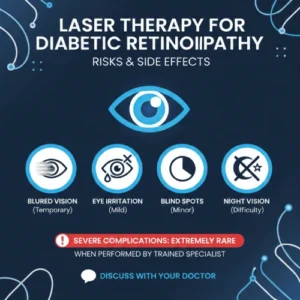
Modern laser equipment and improved techniques have made laser therapy for diabetic retinopathy remarkably safe. However, like any medical procedure, it carries some potential side effects:
- Temporary blurred vision
- Mild eye irritation or soreness
- Small blind spots or reduced peripheral vision (usually minor)
- Occasional difficulty with night vision
Severe complications such as significant vision loss or retinal scarring are extremely rare when the treatment is performed by a trained retinal specialist.
Patients should always discuss the safety of diabetic eye laser with their doctor to understand how the risks apply to their specific condition.
Effectiveness and Success Rates of Laser Treatment
When performed at the right stage of disease, diabetic eye laser treatment is highly effective. Clinical studies show that laser therapy can reduce the risk of severe vision loss by more than 50% in patients with proliferative diabetic retinopathy.
For diabetic macular edema, focal laser therapy helps stabilise or improve vision in nearly 90% of patients. The treatment does not restore vision that has already been lost, but it prevents further deterioration by controlling bleeding and swelling.
In many cases, laser therapy for diabetic retinopathy is combined with anti-VEGF injections to enhance outcomes and maintain retinal stability. This integrated approach offers the best long-term results.
Advantages of Laser Therapy for Diabetic Retinopathy
The continued use of laser therapy in diabetic eye care reflects its strong track record of success. Some key advantages include:
- Quick and outpatient-based: No hospital stay is required.
- Proven success: High rates of disease control and vision stabilisation.
- Cost-effective: Generally less expensive than long-term injection treatments.
- Minimal recovery time: Most patients return to normal activities the next day.
- Safe and precise: Modern lasers allow exact targeting of diseased areas.
These benefits make laser therapy a reliable option for long-term diabetic retinopathy care.
How to Prepare for Laser Eye Treatment
Preparation for the procedure is simple but important. Follow your doctor’s instructions carefully:
- Eat normally before your appointment unless advised otherwise.
- Bring sunglasses to wear after the session, as your pupils will remain dilated for several hours.
- Arrange for someone to drive you home after treatment.
- Inform your doctor of any medications or allergies before the session.
Good preparation ensures a smoother experience and quicker recovery.
Post-Treatment Eye Care
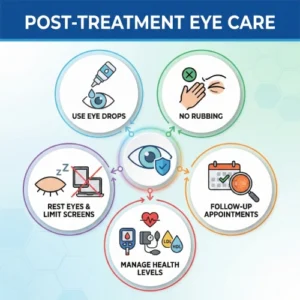
After diabetic eye laser treatment, proper eye care is essential for healing and comfort:
- Use prescribed eye drops regularly.
- Avoid rubbing or pressing your eyes.
- Rest your eyes and limit screen time for a day or two.
- Keep follow-up appointments to track retinal healing.
- Manage blood sugar, blood pressure, and cholesterol levels diligently.
Following these guidelines helps maintain retinal health and ensures long-term treatment success.
When to Call Your Doctor
Although side effects are rare, you should contact your ophthalmologist immediately if you experience:
- Sudden loss of vision
- Severe eye pain
- Increasing redness or discharge
- Flashes of light or new dark floaters
Prompt evaluation can prevent complications and preserve sight.
Frequently Asked Questions
1. Is Diabetic Eye Laser Treatment Permanent?
Laser treatment prevents further damage but does not permanently “cure” diabetic retinopathy. Continued blood sugar management and eye check-ups are still necessary.
2. How Many Sessions Are Needed?
Some patients require a single session, while others may need multiple treatments, especially for advanced proliferative stages.
3. Can Laser Therapy Be Combined with Other Treatments?
Yes. Many specialists combine laser therapy with anti-VEGF injections to maximise results and reduce recurrence.
4. Will My Vision Improve After Laser?
Vision improvement depends on the extent of prior damage. The main goal is to stabilise vision and prevent worsening.
Safety and Long-Term Outlook
Concerns about the safety of diabetic eye laser are understandable, but technological advancements have made it one of the safest ophthalmic procedures available today. Modern laser systems offer precise control, minimising the impact on surrounding tissues while effectively sealing abnormal vessels.
When performed by an experienced retina specialist and combined with good diabetic control, laser therapy offers excellent long-term outcomes with minimal risks.
Conclusion
Modern diabetic eye laser treatment remains one of the safest and most effective ways to preserve vision in patients with diabetic retinopathy. While the procedure may sound intimidating, it involves minimal discomfort, has a strong success rate, and prevents severe vision loss in most cases.
For expert evaluation and advanced laser therapy for diabetic retinopathy, consult Dr Mandeep Lamba, an Ophthalmologist and retina specialist in Dubai. His clinic provides comprehensive retinal care, focusing on precision, comfort, and long-term safety in diabetic eye laser procedures.
To schedule an appointment, WhatsApp us at +971524227000 and take the first step towards preserving your vision with expert diabetic eye care.


