
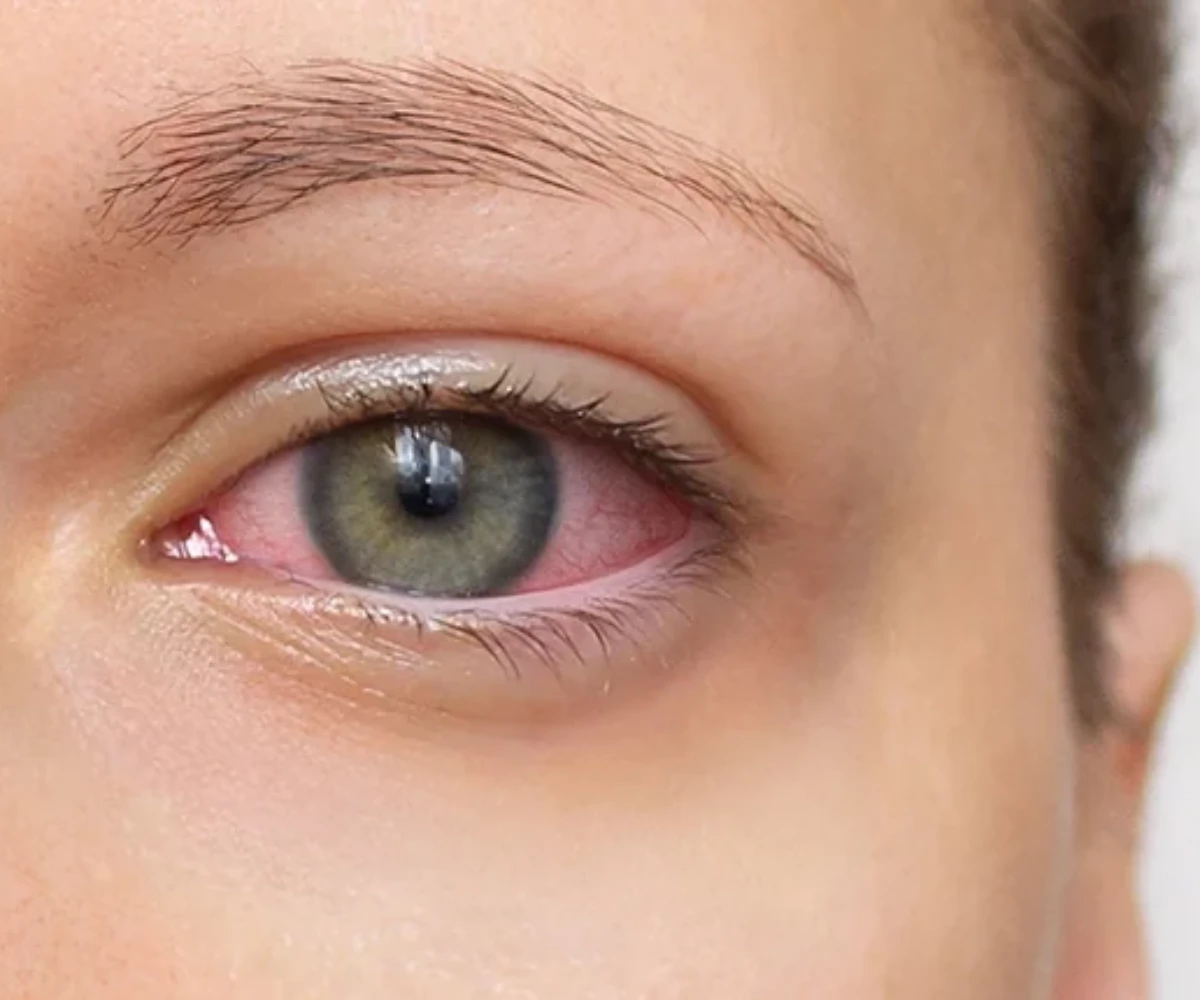
Your eyes feel dry by the end of the day.
You blink repeatedly while working on your laptop. Air conditioning makes them feel worse. Some days they burn or feel gritty, while on other days they water constantly.
And if you are a woman in your 40s or 50s, you may have noticed that these symptoms appeared or became more noticeable around the same time as other hormonal changes.
So what is actually causing the problem?
Hormones? Screens? Dubai’s climate? Air conditioning?
Often, the answer is not just one of them.
Dry eye disease is considered a multifactorial condition, which means several factors can contribute at the same time. Tear-film instability, inflammation, reduced tear production, excessive tear evaporation and problems with the oil-producing glands of the eyelids can all play a role.
This is why dry eye treatment in Dubai should ideally begin by understanding what type of dry eye you have and what may be contributing to it.
For Dr Mandeep Lamba, a patient presenting with fluctuating or uncomfortable vision needs more than a recommendation for another bottle of eye drops. The pattern of symptoms, tear film, eyelids, ocular surface and overall eye health all help determine what may be happening.
What Is Dry Eye Disease?
Dry eye doesn’t simply mean your eyes are “not producing enough tears.”
Your tear film is a complex protective layer that coats the surface of the eye every time you blink.
For comfortable, stable vision, that tear film needs to remain balanced.
Dry eye can develop when:
- your eyes do not produce enough tears
- tears evaporate too quickly
- the oil layer of the tears is inadequate
- the tear film becomes unstable
- inflammation affects the ocular surface
- eyelid or meibomian gland problems alter tear quality
In many patients, more than one mechanism is present.
That explains why two people who both say “my eyes feel dry” may require very different approaches.
What Does Dry Eye Feel Like?
Dry eye symptoms are not limited to dryness.
People may describe:
- burning
- stinging
- grittiness
- a sandy sensation
- tired eyes
- redness
- sensitivity to light
- fluctuating or intermittent blurry vision
- difficulty wearing contact lenses
- discomfort after prolonged screen use
- heavy eyelids
- a feeling that something is inside the eye
And surprisingly:
Dry Eye Can Also Make Your Eyes Water
This confuses many patients.
They ask:
“How can my eyes be dry if they are constantly watering?”
When the surface of the eye becomes irritated, it can trigger reflex tearing.
These reflex tears may make the eye watery, but they may not have the balanced oil, water and mucin components required for a stable tear film.
So watering does not automatically rule out dry eye.
What Are the Main Dry Eye Causes?
There is rarely one universal cause.
Common dry eye causes include:
- increasing age
- hormonal changes
- meibomian gland dysfunction
- prolonged screen use
- reduced or incomplete blinking
- dry or windy environments
- air conditioning
- contact lens wear
- eyelid inflammation
- certain medications
- autoimmune conditions
- previous eye surgery
- problems with eyelid closure
The National Eye Institute specifically identifies prolonged screen viewing, windy or dry environments and several medical or environmental factors as potential contributors to dry eye.
Understanding which of these applies to you matters because treatment should ideally address the underlying mechanism.
Why Can Dry Eye Become More Noticeable During Perimenopause?
Many women first notice persistent eye dryness during their 40s or 50s.
This timing is not necessarily coincidental.
Hormones influence several tissues involved in maintaining the tear film, including the lacrimal glands that produce tears and the meibomian glands that produce the tear film’s protective oil layer.
Research reviewed by the Tear Film & Ocular Surface Society shows that sex hormones, including androgens and estrogens, can influence ocular surface and tear-film function, and dry eye occurs more frequently in women than men.
During perimenopause and menopause, changing hormone levels may therefore contribute to changes in tear production, tear quality or meibomian gland function in some women.
However, there is an important distinction:
Not Every Dry Eye Symptom During Perimenopause Is Caused Only by Hormones
A woman in her 40s may simultaneously be:
- experiencing hormonal changes
- spending eight or more hours on screens
- working in an air-conditioned office
- wearing contact lenses
- taking medications that influence tear production
- developing meibomian gland dysfunction
So searching for “dry eye women perimenopause” may identify one possible contributor, but a proper eye assessment needs to look at the complete picture.
Does Hormone Replacement Therapy Improve Dry Eye?
This is more complicated than it may appear.
It would be inaccurate to say that hormone replacement therapy, or HRT, will automatically improve dry-eye symptoms.
Research examining hormonal therapy and dry eye has produced mixed findings. Some studies have reported improvement in certain tear-film measures, while others have found an association between some forms of hormone therapy, particularly estrogen-only therapy, and an increased likelihood of dry eye.
HRT should therefore not be started, stopped or changed specifically because of dry eye without discussion with the clinician managing your hormonal health.
If you are using HRT and have developed eye symptoms, mention it during your eye consultation as part of your medical history.
Why Screens Can Make Dry Eyes Worse
Most of us blink without thinking about it.
Blinking is important because each complete blink helps spread the tear film across the surface of the eye.
But when we concentrate on a screen, several things can happen.
We may:
- blink less frequently
- perform incomplete blinks
- stare for longer periods
- keep the surface of the eye exposed for longer
This encourages tear evaporation and can increase symptoms of dryness.
Both the National Eye Institute and ophthalmic literature recognise prolonged digital-device use and reduced blinking as contributors to dry-eye symptoms.
“But I Work on a Screen All Day. Does That Mean Screens Caused My Dry Eye?”
Not necessarily.
Screen use may be a contributing or aggravating factor, rather than the sole cause.
For example, you may already have meibomian gland dysfunction causing your tear film to evaporate too quickly.
Then you spend several hours concentrating on a laptop and blinking less.
Then the office air conditioning increases evaporation further.
By evening, your symptoms become much more noticeable.
This is why simply telling patients to “reduce screen time” may not address the complete problem.
Does the 20-20-20 Rule Treat Dry Eye?
You may have heard of the 20-20-20 rule:
Every 20 minutes, look approximately 20 feet away for around 20 seconds.
Taking visual breaks can be useful for reducing prolonged near-focus strain and reminding you to blink.
However, it should not be considered a treatment for every form of dry eye.
If you have significant tear-film instability, inflammation or meibomian gland dysfunction, screen breaks alone may not be enough.
A useful additional habit is to consciously perform complete, gentle blinks during prolonged screen sessions.
How Dubai’s Environment Can Affect Dry Eyes
Living and working in Dubai can expose your eyes to several environments within the same day.
You may move from:
outdoor heat, wind or airborne dust
straight into:
strong indoor air conditioning
and then spend several hours:
looking at a computer or phone.
Dry, windy environments can increase tear evaporation, while air conditioning can also aggravate dry-eye symptoms by reducing moisture around the ocular surface. The National Eye Institute specifically recommends considering environmental exposure such as wind and air conditioning when managing dry eye.
This does not mean Dubai’s climate automatically causes dry eye.
Rather, environmental exposure can make an existing tear-film problem more noticeable.
Why Air Conditioning May Be Part of the Problem
Air conditioning is difficult to avoid in Dubai.
But sitting directly underneath or in front of an air-conditioning vent can increase airflow across the eyes.
More airflow can mean faster tear evaporation.
If you already have an unstable tear film, symptoms may become particularly noticeable during long periods indoors.
Simple environmental adjustments may include:
- avoiding direct airflow toward your face
- repositioning your desk when possible
- taking regular blinking breaks
- considering indoor humidity where appropriate
These measures may help some patients, but they should not replace assessment when symptoms are persistent.
What Is Meibomian Gland Dysfunction?
One of the most important causes of evaporative dry eye is meibomian gland dysfunction, commonly abbreviated as MGD.
Along the edges of your eyelids are small glands called meibomian glands.
They produce oils that form the outer layer of the tear film.
These oils help slow tear evaporation.
When the glands become blocked or their oil changes in quality, the tear film may evaporate more quickly.
Symptoms can include:
- dryness
- burning
- fluctuating vision
- eyelid irritation
- watering
- contact-lens discomfort
MGD is important because repeatedly adding artificial tears may provide temporary relief without fully addressing the eyelid-gland component.
TFOS dry-eye guidance emphasises the importance of distinguishing between predominantly aqueous-deficient and evaporative forms of dry eye when planning management.
Why Does My Vision Become Blurry and Then Clear Again After Blinking?
This is a very useful clue.
The tear film forms the first optical surface that light passes through when entering your eye.
If that tear film becomes unstable, vision may fluctuate.
You may notice that:
the screen becomes blurry → you blink → it becomes clearer again.
This pattern can occur with dry eye.
However, persistent blurred vision should not automatically be attributed to dryness.
Vision changes can have several causes, which is why Dr Mandeep’s approach is to consider both the ocular surface and the rest of the eye when visual symptoms are present.
Dry Eye After 40: Is It Hormones or Presbyopia?

Sometimes it is difficult to separate the two because they can begin around a similar age.
Presbyopia affects your ability to focus clearly on nearby objects.
Dry eye affects the ocular surface and tear film.
Presbyopia may make:
- reading small print harder
- your phone seem too close
- near tasks require more effort
Dry eye may cause:
- burning
- grittiness
- fluctuating blur
- watering
- irritation
- vision that temporarily improves after blinking
And you can have both conditions at the same time.
An examination helps distinguish which symptoms are coming from where.
Why Contact Lenses Can Make Dry Eye More Noticeable
Contact lenses interact directly with the tear film.
Some patients begin noticing that lenses they previously wore comfortably become difficult to tolerate for a full day.
Symptoms may include:
- lenses becoming uncomfortable earlier in the day
- burning
- dryness
- intermittent blur
- increased awareness of the lens
This does not automatically mean that contact lenses need to be stopped permanently.
Lens material, wearing time, cleaning practices, tear-film quality and underlying ocular-surface conditions all need to be considered.
Can Medications Cause Dry Eye?
Some medications can contribute to ocular dryness.
Examples may include certain:
- antihistamines
- decongestants
- antidepressants
- blood-pressure medications
- diuretics
- hormonal medications
- acne medications and retinoids
- other systemic medicines
The effect varies considerably between patients and medications.
Do not stop a prescribed medicine because you suspect it is causing dry eye.
Instead, mention all medications and supplements during your eye assessment.
Your doctor can consider whether they may be relevant and, where appropriate, discuss the issue with the clinician who prescribed them.
How Is Dry Eye Diagnosed?
Dry-eye diagnosis is not based only on the answer to:
“Do your eyes feel dry?”
Symptoms and clinical findings do not always match perfectly.
Some patients have significant discomfort with relatively subtle signs, while others may have obvious ocular-surface changes but fewer symptoms.
Depending on the patient’s needs, assessment may include:
Tear-Film Stability
Your doctor may evaluate how long the tear film remains stable between blinks.
Ocular-Surface Examination
The cornea and conjunctiva can be examined for signs of dryness or surface damage.
Special diagnostic dyes may sometimes be used.
Tear Production
Testing may be used in selected patients to assess tear production.
Eyelid and Meibomian Gland Assessment
The eyelid margins and meibomian glands may be examined for blockage, inflammation or altered oil secretion.
Blink and Eyelid Closure
Incomplete blinking or incomplete eyelid closure can contribute to ocular-surface exposure.
Current TFOS diagnostic guidance emphasises evaluating symptoms together with tear-film homeostasis and then assessing features such as meibomian gland dysfunction and tear volume to help classify dry eye.
Dry Eye Treatment in Dubai: Why Treatment Is Not the Same for Everyone
If you search online for dry eye treatment Dubai, you will find everything from lubricating drops to devices, procedures and prescription medicines.
But there is no single treatment appropriate for every dry-eye patient.
Treatment depends on why the tear film is unstable and how significant the symptoms and ocular-surface findings are.
1. Lubricating Eye Drops
Artificial tears can help supplement lubrication and may be appropriate for mild dry eye.
There are many formulations, including drops, gels and ointments.
The most suitable formulation can depend on the type and severity of dryness.
Patients using drops very frequently may also be advised to discuss preservative exposure with their eye-care professional.
2. Environmental and Screen Adjustments
If screen use or environmental exposure is aggravating symptoms, practical changes may include:
- regular breaks
- intentional complete blinking
- avoiding direct air-conditioning flow
- adjusting screen position
- managing prolonged contact-lens wear
- using protective eyewear in windy conditions where appropriate
These measures form one part of management rather than being a universal treatment.
3. Eyelid and Meibomian Gland Care
If meibomian gland dysfunction is contributing to dry eye, management may focus on improving gland function.
Depending on the findings, this may involve eyelid hygiene, warm compresses or other gland-directed approaches.
Not every dry-eye patient requires the same eyelid treatment.
4. Prescription Treatment
When inflammation or more persistent dry eye is present, prescription eye drops may be considered.
Available therapies work through different mechanisms.
The choice should be based on clinical findings, severity, other eye conditions and previous treatment response.
5. Punctal Occlusion
Small openings called puncta normally allow tears to drain away from the surface of the eye.
In selected patients, reducing tear drainage with punctal plugs may be considered.
This option is not appropriate for every type of dry eye, particularly when ocular-surface inflammation has not been adequately addressed.
6. Additional Dry-Eye Therapies
Patients with more persistent or complex dry eye may require additional treatment strategies.
TFOS guidance supports a staged approach to dry-eye management, with treatment becoming more targeted or intensive depending on severity and the underlying subtype.
The important point is that more treatment is not automatically better treatment.
Treatment should match the problem identified during examination.
Why Dr Mandeep Lamba Looks Beyond “Just Use Eye Drops”
Dry eye is sometimes dismissed as a minor inconvenience.
But persistent ocular discomfort or fluctuating vision deserves proper evaluation.
For Dr Mandeep Lamba, the starting point is understanding what may be contributing to the patient’s symptoms rather than assuming that every burning or watery eye needs the same lubricant.
Assessment can help distinguish between:
- reduced tear production
- excessive evaporation
- meibomian gland dysfunction
- eyelid inflammation
- screen-related aggravation
- environmental triggers
- contact-lens issues
- age-related visual changes
- other causes of blurred or uncomfortable vision
And because Dr Mandeep’s clinical work also includes retinal and vitreous conditions, visual complaints can be considered in the context of the whole eye, particularly when the symptoms are not typical of straightforward dry eye.
The objective is to identify what the examination shows and then discuss management appropriate for that individual patient.
When Is Dry Eye Not “Just Dry Eye”?
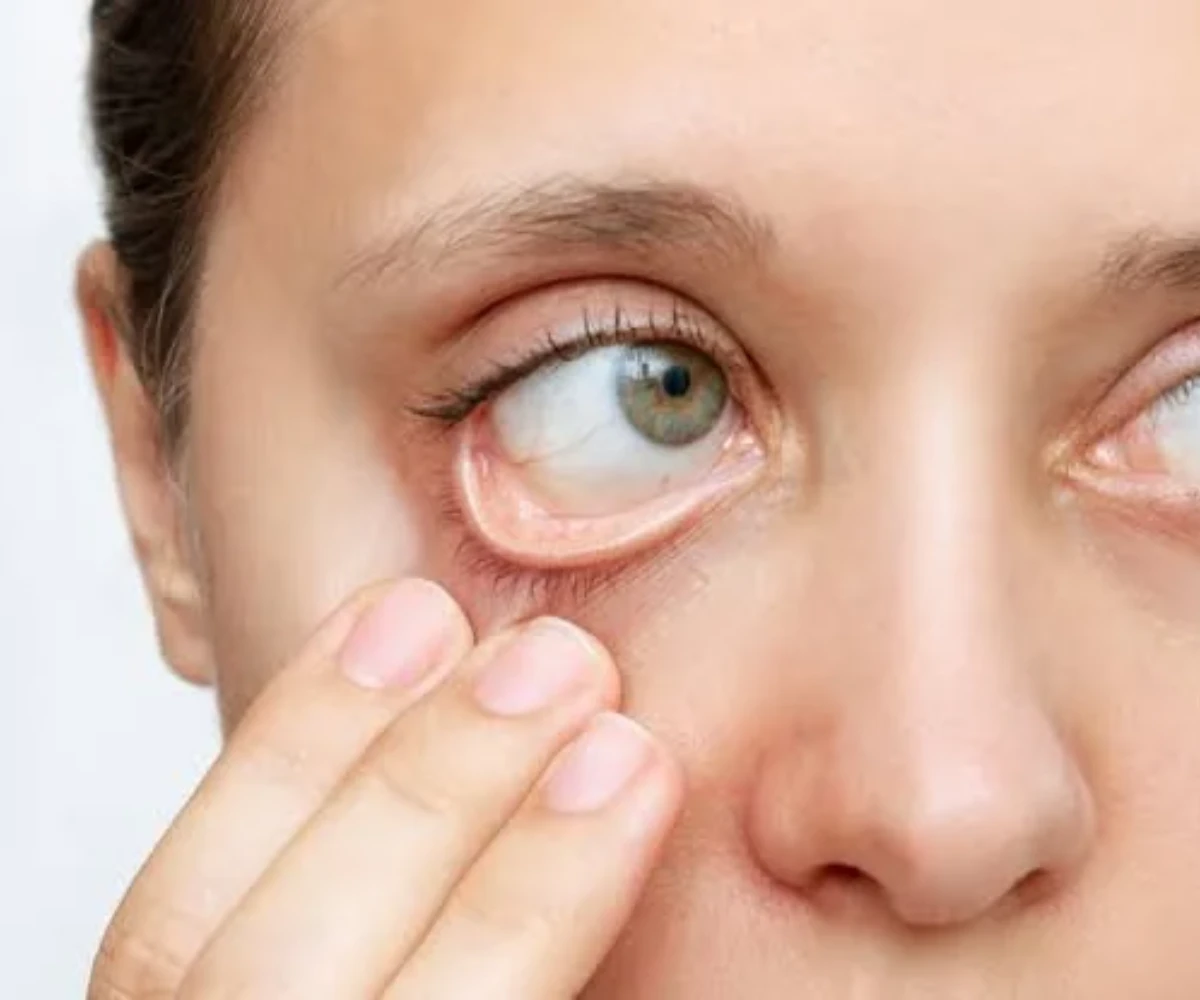
Most dry-eye symptoms are not emergencies.
However, you should seek ophthalmic assessment if you develop:
- sudden loss of vision
- marked or persistent reduction in vision
- severe eye pain
- significant light sensitivity
- pronounced redness, particularly in one eye
- eye injury
- new flashes of light
- a sudden increase in floaters
- a curtain or shadow in your vision
These symptoms should not automatically be managed with lubricating drops at home.
They may indicate another eye condition requiring a different type of assessment.
Conclusion: Dry Eye Is Often More Than “Not Enough Tears”
If your eyes feel increasingly dry after hours on a screen, uncomfortable under air conditioning or different since entering perimenopause, there may not be one single explanation.
Hormonal changes may influence the tear film.
Screens may reduce blinking.
Air conditioning, wind and environmental exposure may increase evaporation.
And underlying problems such as meibomian gland dysfunction can make all of these triggers more noticeable.
That is why repeatedly changing eye-drop brands without understanding the type of dry eye may not address the actual problem.
For Dr Mandeep Lamba, the more useful questions are:
What is making your tear film unstable?
Are your eyelid glands contributing?
Are hormones, screens, medications or environment aggravating the symptoms?
And is dry eye the complete explanation for the change in your vision?
Once those questions are considered alongside the eye examination, management can be tailored to the individual findings.
Struggling With Persistent Dry, Burning or Watery Eyes?
If your symptoms keep returning despite using lubricating drops, or you are noticing dry-eye symptoms during perimenopause, prolonged screen use or extended time in air-conditioned environments, an ophthalmic assessment can help identify the contributing factors.
Frequently Asked Questions About Dry Eye
1. What are the most common dry eye causes?
Dry eye can result from reduced tear production, increased tear evaporation, meibomian gland dysfunction, ageing, hormonal changes, prolonged screen use, environmental exposure, contact lenses, certain medications and some medical conditions.
Many patients have more than one contributing factor.
2. Can perimenopause cause dry eyes?
Hormonal changes during perimenopause may influence the tear film and meibomian glands and can contribute to dry-eye symptoms in some women.
However, symptoms should not automatically be attributed solely to hormones because screen use, medications, eyelid-gland dysfunction and environmental factors may also contribute.
3. Why do dry eyes become more common in women around menopause?
Sex hormones influence tissues involved in tear-film production and stability. Changes in hormone levels with age are thought to contribute to the higher prevalence of dry eye seen in women, particularly around and after menopause.
4. Can too much screen time cause dry eye?
Prolonged screen use can contribute to dry-eye symptoms because people often blink less frequently and may blink incompletely while concentrating on a digital device.
However, screen use may be only one of several contributing factors.
5. Why do my eyes water if they are dry?
An irritated ocular surface can trigger reflex tearing.
These watery tears do not necessarily provide the stable tear-film balance required for comfortable vision, so watering and dry eye can occur together.
6. Does air conditioning make dry eyes worse?
It can.
Airflow and dry indoor environments can increase tear evaporation and aggravate symptoms in susceptible individuals. Avoiding direct airflow toward the face may help some patients.
7. Why does my blurry vision improve when I blink?
An unstable tear film can temporarily affect the optical surface of the eye.
Blinking redistributes the tears, so vision may briefly become clearer.
Persistent or unexplained blurred vision still deserves an eye assessment because not all blur is caused by dry eye.
8. Are artificial tears enough to treat dry eye?
They may be sufficient for some mild cases, but not every patient.
If inflammation, meibomian gland dysfunction, tear deficiency or another ocular-surface problem is present, additional management may be needed.
9. Can dry eye be permanently cured?
Dry eye often requires ongoing management rather than a one-time universal cure.
The course varies depending on the underlying cause, severity, environmental factors and associated conditions.
Treatment aims to improve tear-film stability, reduce symptoms and support ocular-surface health.
10. When should I consider dry eye treatment in Dubai?
If burning, grittiness, watering, fluctuating vision, or contact-lens discomfort is persistent, recurrent or affecting everyday activities, an eye assessment can help determine whether dry eye is present and what may be contributing to it.
The appropriate dry eye treatment in Dubai should be based on the patient’s examination rather than symptoms alone.
This article is intended for general educational information and does not replace an individual ophthalmic or medical consultation.


