
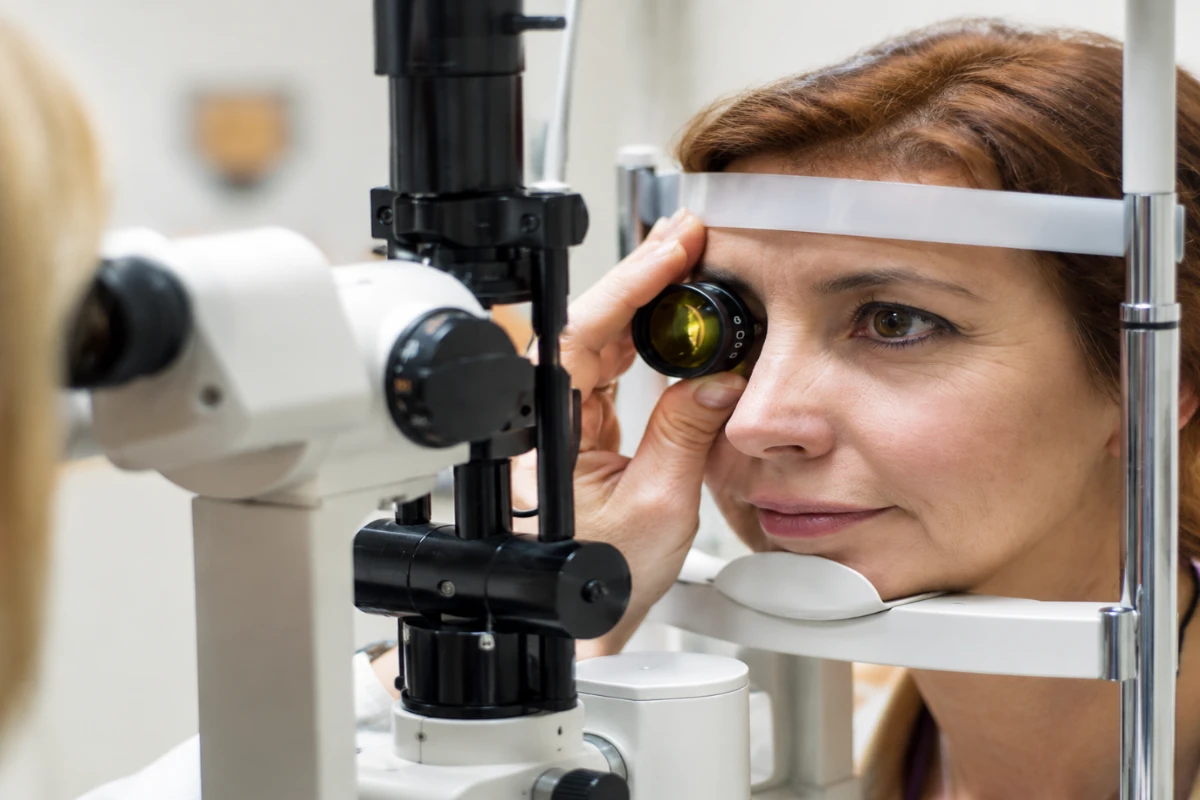
If you have diabetes and your vision seems completely normal, it can be easy to assume that your eyes are fine.
That is understandable, but diabetes-related retinal changes do not always cause noticeable symptoms in their earlier stages.
Diabetes can affect the small blood vessels within the retina, the light-sensitive tissue at the back of the eye. Over time, these changes can lead to diabetic retinopathy, and the risk generally increases with the duration of diabetes and other individual health factors.
This is why diabetic eye screening is not simply a test to arrange when your vision becomes blurry.
It forms part of the ongoing assessment of diabetes.
For Dr Mandeep Lamba, whose clinical work includes retinal and vitreous conditions, an important part of caring for patients with diabetes is assessing what is happening at the retina rather than relying only on how clearly the patient feels they can see.
So, how often do diabetics need eye checkups?
The answer depends on the type of diabetes, your previous retinal findings, glycaemic control, pregnancy and other individual risk factors.
Current American Diabetes Association guidance recommends an initial comprehensive dilated examination at diagnosis for people with type 2 diabetes and around five years after the onset of type 1 diabetes in adults. Follow-up frequency is then adjusted according to retinal findings and individual risk.
What Is Diabetic Retinopathy?
Diabetic retinopathy is an eye condition associated with diabetes that affects blood vessels within the retina.
Persistently elevated blood glucose can contribute to changes in these small blood vessels over time. Depending on the stage of the condition, vessels may become damaged, leak fluid or blood, or abnormal new vessels may develop.
The important point is that diabetic retinopathy may be present before a person notices a significant change in vision.
This is one reason retinal screening is recommended even when:
- your glasses prescription has not changed
- you can read clearly
- you have no eye pain
- both eyes seem to be functioning normally
- you have never previously had an eye problem
A diabetic eye examination is therefore not based only on symptoms.
It is based on the understanding that diabetes can affect the retina gradually.
Why Can Diabetes Affect the Eyes?
The retina has a rich network of very small blood vessels.
Diabetes can affect these vessels, particularly when blood glucose has remained above an individual’s target range over time.
Other health factors may also influence the likelihood or progression of diabetic retinal changes, including:
- duration of diabetes
- blood pressure
- lipid levels
- kidney disease
- existing diabetic retinopathy
- pregnancy in people with pre-existing diabetes
- overall metabolic control
Managing diabetes is therefore about more than glucose alone.
Eye health is one part of the wider picture.
How Often Do Diabetics Need Eye Checkups?
This is the question most patients want answered, but there is an important distinction:
Not everybody with diabetes should automatically be given exactly the same examination interval.
Current ADA guidance provides a useful framework.
Type 1 Diabetes
Adults with type 1 diabetes are generally advised to have their first comprehensive dilated eye examination around five years after the onset of diabetes.
After that, the frequency depends on the findings.
Type 2 Diabetes
People diagnosed with type 2 diabetes should generally have a comprehensive dilated eye examination at the time of diagnosis.
This is particularly important because type 2 diabetes may have been present for some time before it was diagnosed.
If Your Retina Shows No Diabetic Retinopathy
If one or more annual examinations show no evidence of retinopathy and glycaemic indicators are within the individual’s goal range, screening every one to two years may be considered.
This decision should be made with the eye-care professional rather than simply extending the interval yourself.
If Diabetic Retinopathy Is Present
If any level of diabetic retinopathy is identified, retinal examinations should generally be performed at least annually.
Some patients will require more frequent reviews.
If Retinopathy Is Progressing
If diabetic retinopathy is progressing, more advanced or affecting the macular area, the ophthalmologist may recommend examinations more frequently than once a year.
The schedule is based on the retinal findings rather than a fixed calendar rule.
A Simple Screening Guide
| Situation | General Screening Approach |
| Type 1 diabetes | Initial comprehensive dilated examination around 5 years after onset |
| Type 2 diabetes | Initial comprehensive dilated examination at diagnosis |
| No retinopathy after normal annual exams + glycaemia within target | Every 1–2 years may be considered |
| Diabetic retinopathy present | At least annually |
| Progressing or more significant retinopathy | More frequent assessment may be required |
| Pre-existing diabetes and pregnancy | Additional assessment before/during pregnancy may be needed |
These are general evidence-based recommendations. Your own examination interval should be decided according to your individual findings.
Why Is the First Eye Exam Different for Type 1 and Type 2 Diabetes?
Patients often ask why someone with type 2 diabetes may need an eye examination immediately while someone newly diagnosed with type 1 diabetes may not follow the same timetable.
The difference relates partly to how the conditions usually develop.
With Type 1 Diabetes
The onset is usually more identifiable.
Clinically significant diabetic retinal changes generally take time to develop, which is why adult screening recommendations allow several years after onset before the initial comprehensive eye examination.
With Type 2 Diabetes
Type 2 diabetes may remain undiagnosed for a period before blood glucose testing identifies it.
That means exposure to elevated glucose may have already been present before the formal diagnosis.
This is why current recommendations advise an eye examination when type 2 diabetes is diagnosed.
“My Diabetes Is Controlled. Do I Still Need an Eye Exam?”
Yes, retinal screening may still be recommended.
Good diabetes management is important and is associated with a lower risk of developing or progressing diabetic retinopathy.
But good current glucose control does not make retinal screening unnecessary.
Your ophthalmologist may consider factors such as:
- how long you have had diabetes
- your previous HbA1c history
- blood pressure
- your previous retinal examinations
- whether retinopathy has ever been identified
- other health conditions
In selected patients with repeated normal examinations and glycaemic indicators within goal, the interval may sometimes be extended to every one to two years.
That decision should follow the retinal assessment rather than replace it.
“I Can See Clearly. Why Do I Need Diabetic Retinopathy Screening?”
Because visual clarity and retinal health are not the same measurement.
You can have good central vision while early diabetes-related changes are present in the retina.
That is why waiting for blurred vision is not an ideal way to decide when the retina should be examined.
For Dr Mandeep Lamba, this is an important distinction when discussing diabetic eye health with patients.
The purpose of retinal assessment is not to assume that every person with diabetes has retinopathy.
It is to understand whether diabetic changes are present and, if they are, determine their extent and what follow-up is appropriate.
What Happens During a Diabetic Eye Exam?
If you are arranging a diabetic eye exam in Dubai, the exact assessment will depend on your previous findings and clinical history.
It may include:
1. Visual Acuity Testing
Your vision is checked to understand how clearly each eye sees at different distances.
This provides useful information, but it cannot by itself determine whether diabetic retinopathy is present.
2. Review of Your Diabetes History
Your ophthalmologist may ask about:
- when diabetes was diagnosed
- whether you have type 1 or type 2 diabetes
- recent blood glucose or HbA1c information
- blood pressure
- kidney problems
- current medication
- previous diabetic retinal findings
- previous eye treatments or procedures
- recent changes in vision
This information helps place the retinal findings into the context of your overall health.
3. Dilated Retinal Examination
Eye drops may be used to widen the pupils so the ophthalmologist can obtain a clearer view of the retina.
A dilated examination can help assess the blood vessels, optic nerve, macula and other structures at the back of the eye.
The National Eye Institute notes that people with diabetes commonly require regular dilated eye examinations, with frequency adjusted according to individual circumstances.
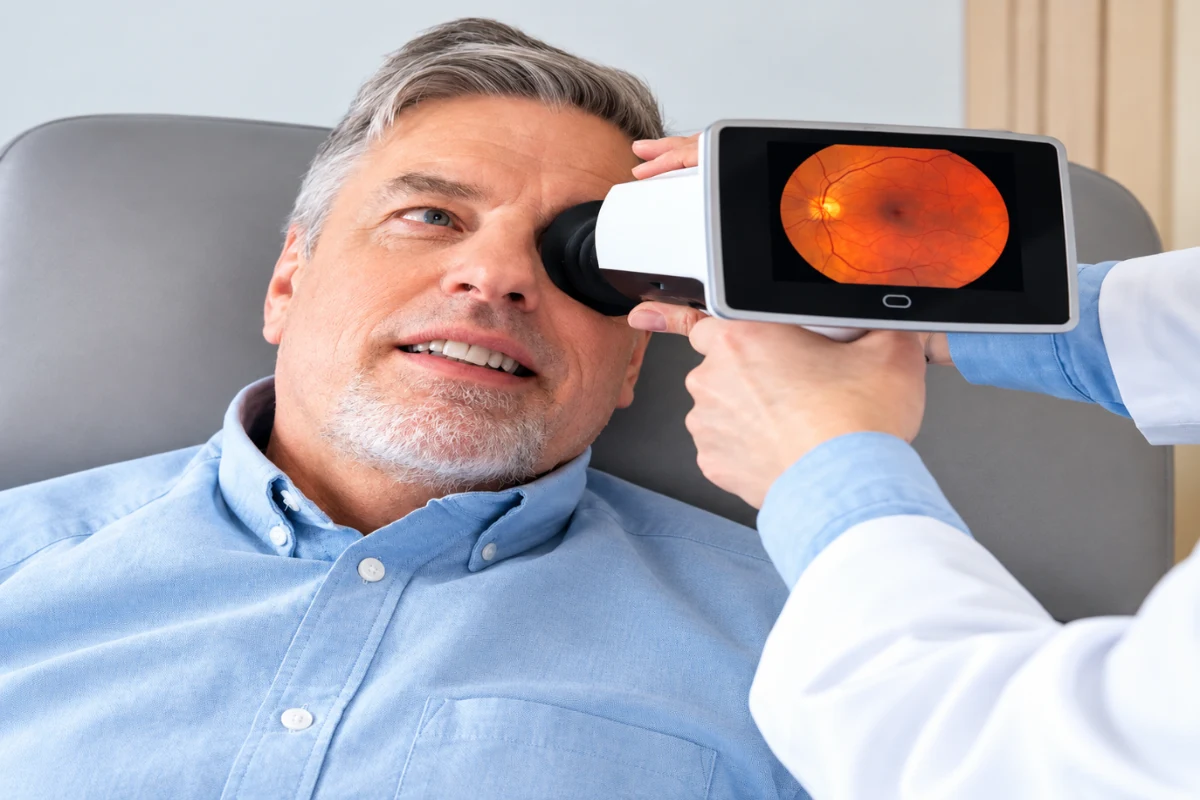
4. Retinal Photography
Retinal photographs can document the appearance of the retina and may help identify and monitor changes over time.
Validated retinal photography programmes are also recognised as a method of diabetic retinopathy screening, provided there is an appropriate pathway for comprehensive assessment when abnormalities are identified.
In Dubai, diabetic retinopathy screening services may also incorporate retinal photography; DHA’s Dubai Diabetes Centre describes the use of colour retinal imaging and OCT when clinically required.
5. OCT When Clinically Indicated
Optical coherence tomography, or OCT, creates detailed cross-sectional images of the retina.
It can be particularly useful when the ophthalmologist needs to assess the macula or investigate whether fluid or structural changes are present.
Not every patient attending routine diabetes screening automatically requires OCT.
The need for additional imaging should be based on clinical findings.
Is Retinal Photography the Same as a Comprehensive Diabetic Eye Exam?
Not exactly.
Retinal photography can be a useful screening tool.
It provides images that can be reviewed for signs of diabetic retinopathy and can improve access to retinal screening.
However, a comprehensive ophthalmic examination evaluates more than a photograph.
Depending on the patient’s needs, it may include assessment of:
- vision
- eye pressure
- lens
- optic nerve
- peripheral retina
- macula
- other eye structures
If screening photographs identify an abnormality, cannot adequately visualise the retina, or raise another concern, an in-person ophthalmic assessment may be required.
What Changes Is an Ophthalmologist Looking for?
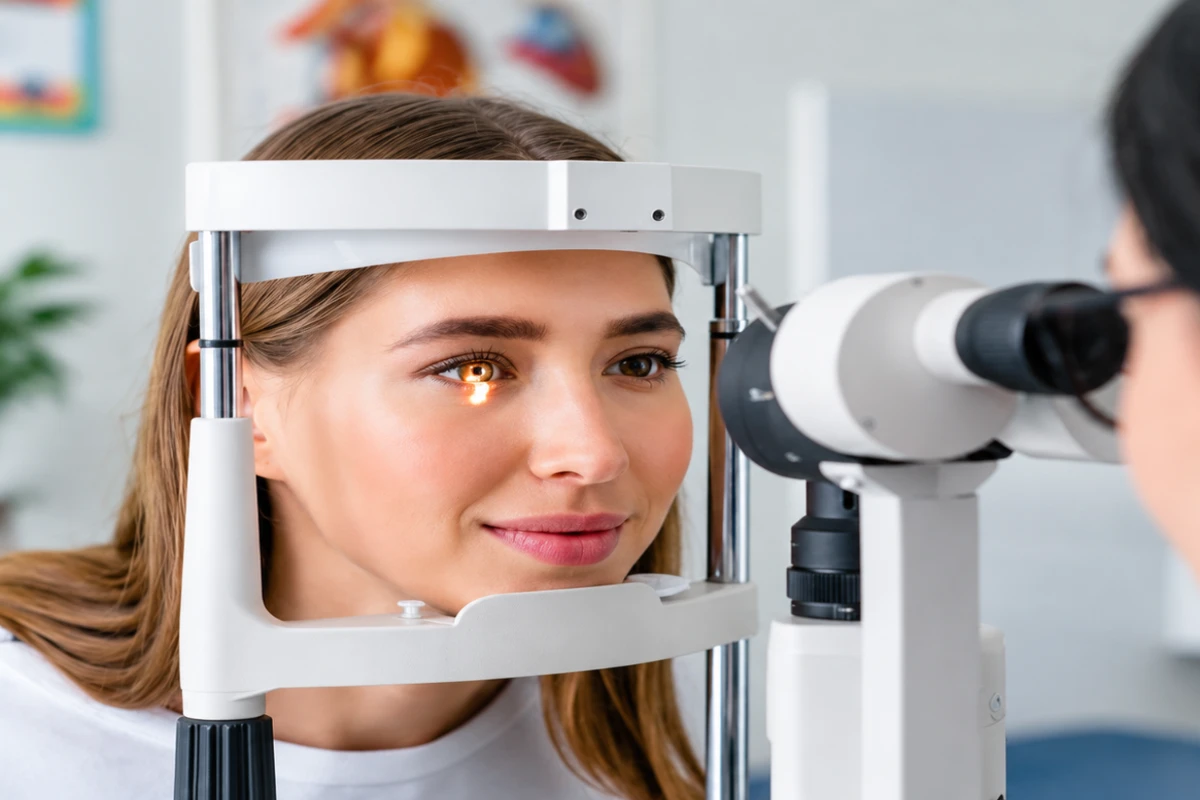
During diabetic retinopathy screening, the retina is assessed for changes that may include:
- small retinal haemorrhages
- microaneurysms
- vascular abnormalities
- retinal swelling
- changes affecting the macula
- abnormal new blood vessels in more advanced disease
The purpose of identifying these findings is to determine the stage of retinal involvement and the appropriate next step.
That may involve routine observation, closer monitoring, additional investigations or a discussion about management when clinically indicated.
What Is Diabetic Macular Edema?
The macula is the central part of the retina responsible for detailed central vision.
Diabetes-related changes can sometimes lead to fluid accumulating in this area. This is known as diabetic macular edema, or DME.
Because the macula is involved in tasks such as:
- reading
- recognising faces
- driving
- seeing fine detail
changes affecting this area can influence central vision.
OCT imaging may be used when diabetic macular involvement is suspected or requires monitoring.
How Dr Mandeep Lamba Approaches Diabetic Retinal Assessment
A diabetic eye examination is not simply about answering:
“Do you have retinopathy: yes or no?”
The more useful questions are:
Are there retinal changes?
Where are they located?
How advanced are they?
Is the macula involved?
Has anything changed compared with the previous examination?
What follow-up interval is appropriate for this individual patient?
For Dr Mandeep Lamba, whose clinical work includes retinal and vitreous conditions, diabetic eye assessment focuses on understanding the retinal findings in the context of the patient’s diabetes history and overall eye health.
Depending on the findings, assessment may include retinal examination, imaging or additional investigations where clinically appropriate.
The frequency of follow-up can then be based on what is actually happening in the eye rather than simply applying the same yearly schedule to every patient.
Who May Need More Frequent Diabetic Eye Checks?
More frequent assessment may be appropriate when certain factors are present.
These can include:
- existing diabetic retinopathy
- progression since a previous examination
- diabetic macular edema
- long duration of diabetes
- difficulty meeting glycaemic targets
- significant blood pressure concerns
- certain kidney complications
- pregnancy with pre-existing diabetes
- new visual symptoms
Current ADA guidance specifically recommends adjusting examination intervals according to retinopathy severity and individual risk factors rather than relying on one fixed schedule.
Diabetes and Pregnancy: Does Eye Screening Change?
Yes, if diabetes was already present before pregnancy.
Pregnancy can influence diabetic retinopathy in people with pre-existing type 1 or type 2 diabetes.
Current guidance recommends an eye examination before pregnancy and during the first trimester, with additional monitoring during pregnancy and for up to one year after delivery depending on the retinal findings.
This recommendation is different for gestational diabetes.
Gestational diabetes developing during pregnancy alone does not carry the same diabetic retinopathy screening recommendation because it has not been associated with the same retinopathy risk during pregnancy.
What If You Already Have Diabetic Retinopathy?
A diagnosis of diabetic retinopathy does not mean that every patient will require the same treatment or follow-up.
The approach depends on:
- severity
- whether changes are stable or progressing
- whether the macula is affected
- whether abnormal new vessels are present
- vision
- imaging findings
- other individual clinical factors
Some retinal changes may initially require monitoring.
Others may require further investigation or treatment discussion.
The ophthalmologist determines the appropriate plan after assessing the stage and pattern of retinal involvement.
Should You Wait for Symptoms Before Getting Checked?
Routine diabetic retinal screening should generally not depend on symptoms.
However, if you develop a new visual problem, you should not simply wait until your next scheduled diabetes screening.
Symptoms that warrant ophthalmic assessment include:
- new or increasing blurred vision
- distorted central vision
- new dark or missing areas of vision
- sudden increase in floaters
- flashes of light
- a curtain or shadow across part of the vision
- sudden reduction in vision
For Dr Mandeep, the distinction between routine diabetic screening and assessment of a new retinal symptom is particularly important.
A new symptom may require a different type or timing of examination than a routine screening visit.
Diabetic Retinopathy Screening UAE: What Should Patients Look for?
If you are searching for diabetic retinopathy screening in the UAE, focus less on finding a generic “eye test” and more on understanding what type of assessment you need.
Useful questions to ask include:
- Will my retina be assessed?
- Do I need pupil dilation?
- Are retinal photographs indicated?
- Is OCT required in my case?
- Were any diabetic retinal changes identified?
- When should my next retinal examination be?
- Do I need an ophthalmology review rather than routine screening?
The answer will depend on your diabetes history and retinal findings.
Conclusion: Your Diabetes Eye Check Should Follow Your Retina, Not Just the Calendar
So, how often do diabetics need eye checkups?
For many patients, once a year is an important reference point.
But the complete answer is more individual.
Someone newly diagnosed with type 2 diabetes may need an initial retinal assessment at diagnosis.
An adult with type 1 diabetes follows a different starting schedule.
A patient with repeated normal examinations and glycaemic indicators within their target range may sometimes be able to extend screening to every one to two years after discussion with their eye-care professional.
And someone who already has diabetic retinopathy may need assessment annually or more frequently depending on what is happening at the retina.
For Dr Mandeep Lamba, whose clinical work includes retinal and vitreous conditions, the important question is not only:
“When was your last eye test?”
It is also:
“What did your last retinal examination show, and has anything changed since then?”
That information helps determine an appropriate follow-up schedule for the individual patient.
Frequently Asked Questions
1. How often should someone with diabetes have an eye exam?
Many people with diabetes are assessed annually, but the appropriate frequency depends on retinal findings and individual risk.
After one or more normal annual examinations, and when glycaemic indicators are within goal, screening every one to two years may be considered in selected patients. If retinopathy is present, examinations should generally occur at least annually and may be required more frequently if the condition is progressing.
2. When should someone with type 2 diabetes have their first eye exam?
Current guidance recommends a comprehensive dilated eye examination at the time type 2 diabetes is diagnosed.
3. When should someone with type 1 diabetes start retinal screening?
For adults with type 1 diabetes, an initial comprehensive dilated eye examination is generally recommended about five years after the onset of diabetes.
4. Can diabetic retinopathy develop without symptoms?
Yes.
Diabetic retinal changes can be present without noticeable vision problems, including at stages when clinical assessment is important. This is one of the reasons routine screening is recommended.
5. Do I need an eye exam if my HbA1c is good?
Good glycaemic management is important, but it does not automatically remove the need for retinal screening.
Your screening schedule depends on your diabetes duration, previous retinal findings, glycaemic history and other individual factors.
6. Is a regular glasses test enough for someone with diabetes?
Not necessarily.
A glasses test primarily assesses visual clarity and refractive error. Diabetic eye screening specifically requires assessment of the retina for diabetes-related changes.
7. Do people with diabetic retinopathy need eye checks more often?
Potentially.
If diabetic retinopathy is present, retinal examinations are generally recommended at least annually. More frequent assessment may be required when changes are progressing or more significant.
8. Is OCT required at every diabetic eye examination?
No.
OCT can provide detailed information about the retina and is particularly useful for assessing the macula, but whether it is needed depends on the patient’s retinal findings and clinical situation.
9. Does pregnancy affect diabetic retinopathy screening?
It can for people who had type 1 or type 2 diabetes before becoming pregnant.
Additional retinal assessment may be recommended before pregnancy, in the first trimester and subsequently according to the retinal findings.
10. Where can I arrange a diabetic eye exam in Dubai?
If you have diabetes and are due for retinal assessment, an ophthalmic consultation can help determine which examination and imaging are appropriate based on your diabetes history and previous retinal findings.
Dr Mandeep Lamba’s clinical work includes the assessment and management of retinal and vitreous conditions, including retinal evaluation in patients with diabetes.


