
Diabetic retinopathy diet plays a crucial role in protecting vision and preventing complications caused by diabetes. Most people know that diabetes can affect blood sugar and nerves, but few realise how significantly it can impact their eyes. The good news is that the right diet can slow or even stop this damage, especially when combined with regular eye check-ups and good diabetes control.
For anyone living with diabetes, what you eat directly affects your vision. From managing blood sugar spikes to improving circulation in the retina, a carefully balanced diet can make all the difference in maintaining healthy eyesight. Let us explore how food choices influence diabetic retinopathy, the best foods for diabetic eyes, and expert-backed nutrition strategies for long-term eye health.
Understanding Diabetic Retinopathy
Diabetic retinopathy is a complication of diabetes that damages the small blood vessels in the retina. Over time, high blood sugar levels weaken and leak through these vessels, causing swelling, bleeding, and scarring. If left untreated, it can lead to partial or complete vision loss.
This condition usually develops gradually and may not cause noticeable symptoms in the early stages. That is why regular retinal screenings are vital for anyone with diabetes. However, beyond medical treatment, diet and diabetic retinopathy are deeply connected — because the nutrients we consume directly affect blood vessel health, inflammation, and oxidative stress in the eyes.
How Diet Affects the Eyes in Diabetes
The retina is one of the most metabolically active parts of the body. It requires a constant supply of oxygen and nutrients to function properly. In diabetes, unstable blood sugar levels lead to glycation, a process that damages proteins and blood vessels. This results in poor oxygen supply to the retina, making it more prone to swelling and bleeding.
Certain foods can either worsen or help repair this damage. Diets high in refined carbohydrates, processed fats, and sugar accelerate vessel injury, whereas a nutrient-rich diet full of antioxidants, fibre, and healthy fats helps protect retinal tissues.
This is where a well-planned diabetic retinopathy diet becomes an essential part of eye care.
Key Nutrients for Diabetic Eye Health
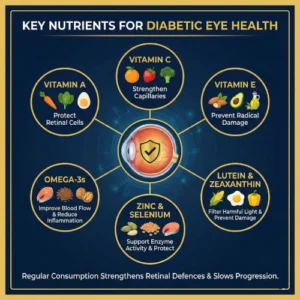
Proper nutrition for eye health focuses on nutrients that support blood vessel strength, reduce inflammation, and protect retinal cells from oxidative stress. Here are the most beneficial nutrients and their food sources.
1. Vitamin A
Essential for maintaining the light-sensitive cells of the retina.
Sources: Carrots, spinach, kale, mangoes, sweet potatoes, and eggs.
2. Vitamin C
A powerful antioxidant that strengthens capillaries and reduces oxidative stress.
Sources: Citrus fruits, strawberries, kiwis, broccoli, and peppers.
3. Vitamin E
Protects retinal cells from damage caused by free radicals.
Sources: Almonds, sunflower seeds, avocados, and olive oil.
4. Omega-3 Fatty Acids
Improve retinal blood flow and reduce inflammation.
Sources: Salmon, sardines, flaxseeds, chia seeds, and walnuts.
5. Zinc and Selenium
Support enzyme activity in the retina and protect against oxidative damage.
Sources: Pumpkin seeds, lentils, chickpeas, whole grains, and seafood.
6. Lutein and Zeaxanthin
Carotenoids that form a protective pigment in the macula, filtering harmful light and preventing cell damage.
Sources: Green leafy vegetables, corn, egg yolks, and bell peppers.
By regularly consuming these foods for diabetic eyes, you help strengthen your retinal defences and slow the progression of diabetic damage.
Diet and Diabetic Retinopathy: The Science Behind It
Scientific research shows that diet plays a major role in both the development and management of diabetic retinopathy. Studies have found that patients who follow a Mediterranean-style diet — rich in whole grains, fruits, vegetables, olive oil, and fish — have a lower risk of vision loss.
Such diets are naturally anti-inflammatory and antioxidant-rich, helping reduce retinal swelling and preventing the leakage of blood vessels. Additionally, foods with a low glycaemic index (GI) cause slower rises in blood sugar levels, which is vital for preventing microvascular damage in the retina.
The balance between carbohydrates, proteins, and fats is also important. Meals high in refined carbs and low in fibre can cause sharp sugar spikes, worsening retinal stress. Replacing white rice or bread with whole grains and sugary snacks with fruits or nuts significantly helps control blood sugar while nourishing the eyes.
Best Foods for Diabetic Eyes
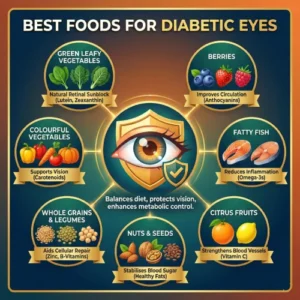
If you are planning your diabetic retinopathy diet, include the following items to protect and support your vision.
1. Green Leafy Vegetables
Spinach, kale, and collard greens are rich in lutein and zeaxanthin, which act as natural sunblock for the retina.
2. Berries
Blueberries, strawberries, and raspberries are packed with anthocyanins that improve circulation in the tiny blood vessels of the eyes.
3. Fatty Fish
Omega-3 rich fish such as salmon and mackerel help reduce inflammation and improve retinal oxygenation.
4. Citrus Fruits
Vitamin C in oranges and lemons strengthens blood vessel walls and boosts overall immunity.
5. Nuts and Seeds
Almonds, walnuts, and flaxseeds provide healthy fats that stabilise blood sugar levels and protect against oxidative stress.
6. Whole Grains and Legumes
These stabilise blood sugar and provide zinc and B-vitamins that aid cellular repair.
7. Colourful Vegetables
Bell peppers, carrots, tomatoes, and pumpkin supply carotenoids that support vision and protect against light damage.
A balanced diet including these foods for diabetic eyes not only benefits vision but also enhances overall metabolic control.
Foods to Limit or Avoid
Certain foods can worsen blood sugar fluctuations and accelerate retinal damage. To support diabetic eye disease prevention, try to limit:
- Refined sugars and sweets: Cause sharp glucose spikes.
- Processed foods and fast food: Contain unhealthy trans fats that inflame blood vessels.
- High-sodium foods: Can increase blood pressure, straining retinal vessels.
- Sugary drinks: Lead to poor glycaemic control and dehydration.
- Excessive alcohol: Damages the optic nerve and increases oxidative stress.
Replacing these with wholesome alternatives helps stabilise vision and blood sugar together.
Practical Tips for Building a Diabetic Retinopathy Diet Plan
Creating a diet plan for diabetic eye disease prevention does not need to be complicated. The goal is balance, consistency, and moderation.
- Eat smaller, frequent meals to prevent sugar spikes.
- Include protein in every meal — lean meats, legumes, eggs, or tofu help stabilise energy levels.
- Stay hydrated by drinking enough water throughout the day.
- Plan meals ahead to avoid unhealthy choices.
- Use healthier cooking oils such as olive or canola instead of butter or margarine.
- Control portion sizes and track carbohydrate intake as advised by your doctor.
A registered dietitian can create a personalised plan based on your medical history, blood sugar trends, and retinal condition.
Lifestyle Habits to Support Eye Health
Besides diet, certain lifestyle habits are equally vital for preserving vision in diabetes:
- Regular exercise: Improves blood circulation and lowers insulin resistance.
- Avoid smoking: Nicotine narrows retinal blood vessels, worsening vision damage.
- Sleep well: Lack of rest raises blood sugar and oxidative stress.
- Routine eye exams: Essential for detecting early retinal changes before symptoms appear.
These small adjustments work together with your diet to strengthen long-term nutrition for eye health.
Supplements for Diabetic Retinopathy
In some cases, doctors may recommend nutritional supplements alongside dietary changes. Formulas containing lutein, zeaxanthin, omega-3, zinc, and vitamins C and E are often used to support retinal function. However, supplements should never replace a balanced diet or prescribed medication. Always consult your ophthalmologist before adding new supplements to your routine.
The Role of Medical Management
A healthy diet enhances medical diabetic retinopathy care, but it cannot fully replace it. Treatments such as anti-VEGF injections, laser therapy, or surgery may still be necessary for advanced stages. Diet serves as a supportive measure that improves outcomes and slows progression.
Combining proper nutrition, blood sugar management, and timely medical intervention gives patients the best chance at preserving vision.
Conclusion
A well-balanced diabetic retinopathy diet is one of the strongest tools for maintaining clear vision and preventing complications. By choosing nutrient-dense foods for diabetic eyes, managing blood sugar levels, and leading a healthy lifestyle, you can effectively delay or reduce retinal damage caused by diabetes.
For expert guidance on diet and diabetic retinopathy in Dubai, consult Dr. Mandeep Lamba, Ophthalmologist and Retina Specialist. His clinic provides comprehensive diabetic eye disease prevention and personalised nutrition advice as part of holistic eye care.
To book an appointment, contact +971524227000 and take the next step towards protecting your vision through smart nutrition.


