
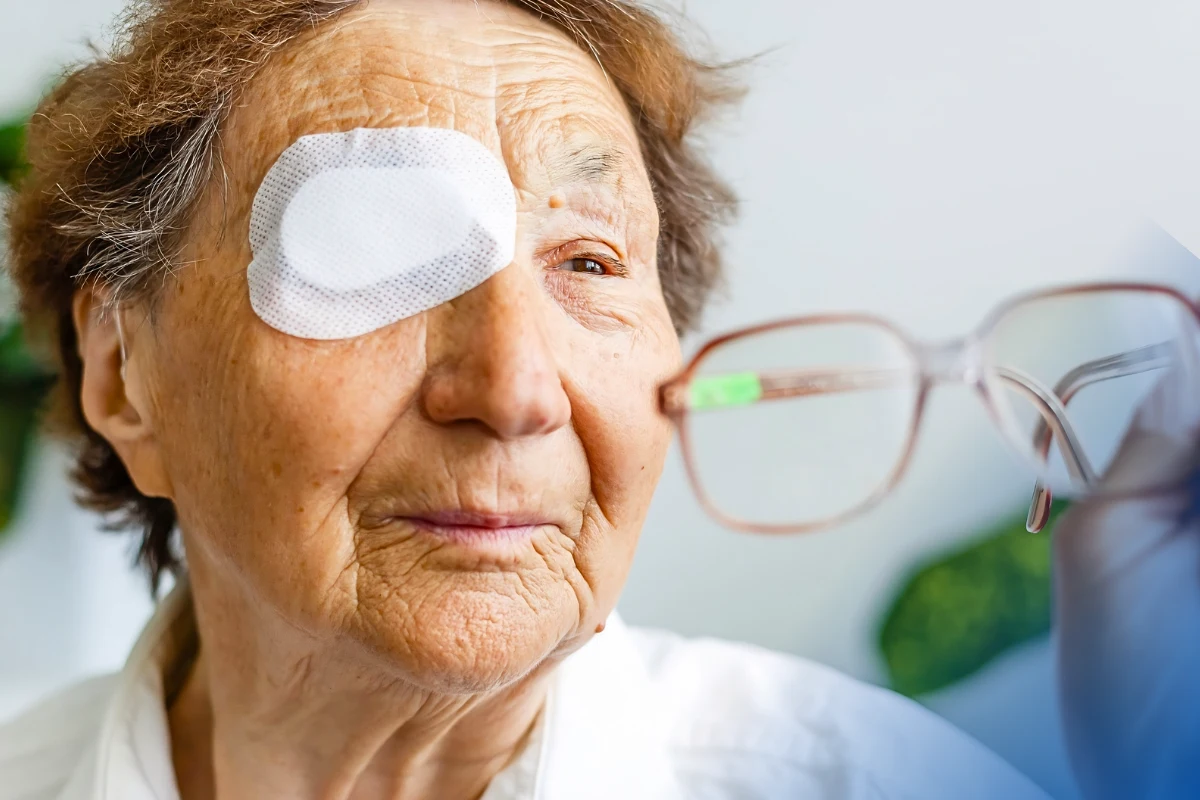
Glaucoma surgery in Dubai is usually performed to lower pressure inside the eye and protect the optic nerve from further damage. For many patients, however, the days after surgery bring several questions.
When will the vision become clear? Can you use your phone or watch television? When can you return to work, drive, exercise or wash your hair? Will glaucoma eye drops still be required after surgery?
The answers depend on the type of procedure performed, the severity of glaucoma, the health of the eye and how the eye heals. Recovery after a minimally invasive glaucoma procedure may be different from recovery after trabeculectomy or glaucoma drainage implant surgery.
One point is important from the beginning: glaucoma surgery is generally performed to preserve remaining vision. It cannot restore optic nerve tissue or vision that has already been permanently lost. Successful surgery lowers eye pressure and reduces the risk of further glaucoma progression, but it does not remove the need for long-term monitoring.
Why Is Glaucoma Surgery Performed?
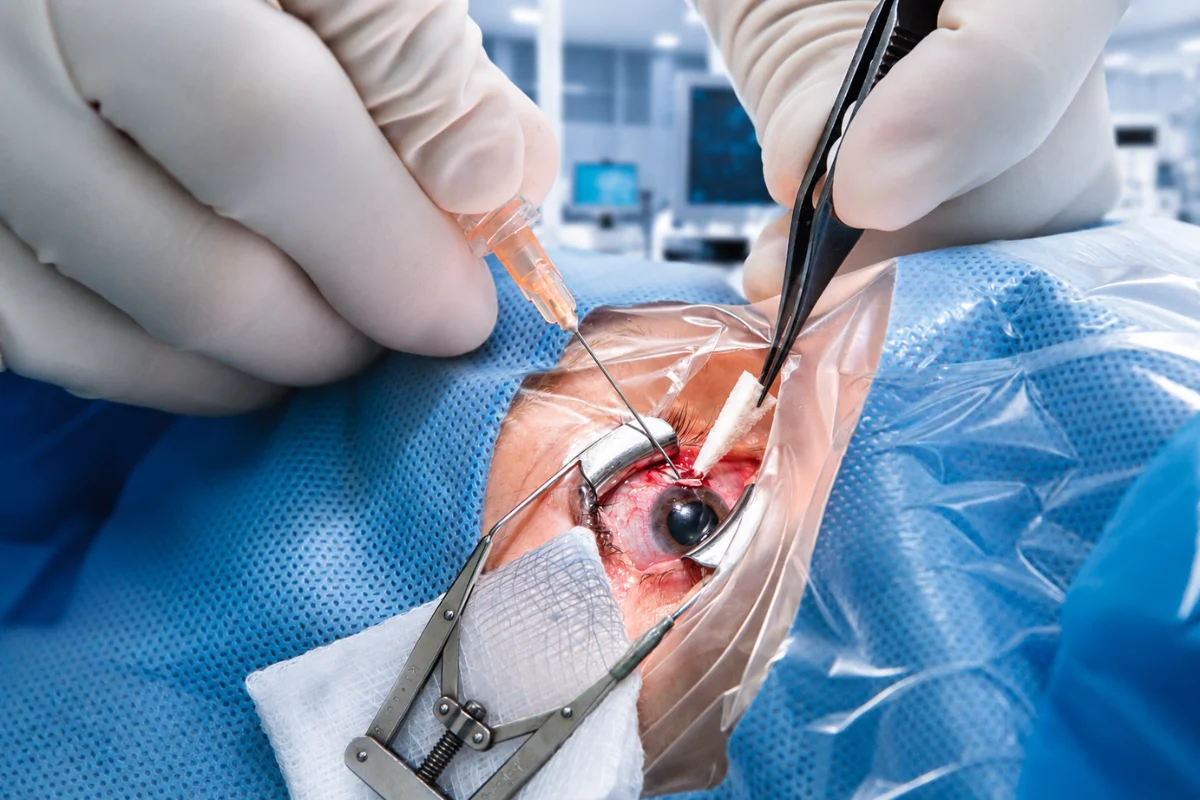
Glaucoma is a group of eye conditions that damage the optic nerve. This damage is often associated with pressure inside the eye, known as intraocular pressure.
Treatment usually begins with prescription eye drops, laser treatment or both. Surgery may be considered when:
- Eye pressure remains above the safe target
- Glaucoma continues to progress
- Several medicines are required but are not providing enough control
- Eye drops cause significant side effects
- The patient finds it difficult to follow a complex drop schedule
- The glaucoma is already advanced
- The type of glaucoma is unlikely to be controlled adequately with medicines alone
The purpose of surgery is to improve the drainage of fluid from the eye or reduce the production of fluid, depending on the procedure.
Lowering pressure does not necessarily make the vision feel immediately clearer. In fact, vision may temporarily become more blurred during recovery. The benefit is mainly protective: the operation aims to reduce the risk of additional optic nerve damage.
Does Every Glaucoma Procedure Have the Same Recovery?
No. The expected healing time and aftercare plan depend on the procedure.
Laser trabeculoplasty
Selective laser trabeculoplasty, or SLT, is used for certain forms of open-angle glaucoma. It applies laser energy to the eye’s natural drainage tissue to improve fluid outflow.
Most patients can return to routine daily activities relatively quickly, often by the following day. Mild irritation or temporary blurring may occur. However, the pressure-lowering effect is not always immediate and may take several weeks to assess fully. Some patients must continue glaucoma medicines after laser treatment.
Minimally invasive glaucoma surgery
Minimally invasive glaucoma surgery, commonly called MIGS, refers to a group of procedures that use small incisions and microscopic drainage devices or modifications to the eye’s drainage system.
MIGS is often performed in patients with mild or moderate glaucoma and may be combined with cataract surgery. Recovery is generally faster than after traditional filtration surgery, but the exact timeline depends on the device or technique used.
Trabeculectomy
Trabeculectomy creates a new drainage pathway under the upper eyelid. Fluid passes through this pathway into a small reservoir called a filtering bleb.
Recovery requires close monitoring because the surgeon may need to adjust stitches, control inflammation or manage scar formation around the drainage pathway. Vision can remain blurred for several weeks, and a new spectacle prescription is usually delayed until the eye has stabilised.
Glaucoma drainage implant surgery
A glaucoma drainage implant, sometimes called a tube or aqueous shunt, uses a small tube and plate to direct fluid away from the front of the eye.
Recovery commonly takes several weeks. Eye pressure can change during the healing process, making follow-up appointments particularly important.
Cyclophotocoagulation
Cyclophotocoagulation uses laser energy to reduce the amount of fluid produced inside the eye. Different versions of the procedure are available, and recovery depends on the technique, the condition of the eye and the severity of the glaucoma.
Because these procedures have different purposes and healing patterns, patients should follow the instructions provided for their specific operation.
The First 24 Hours After Glaucoma Surgery
Most glaucoma procedures are performed as day-care operations, which means you can usually return home on the same day.
You will need someone to accompany you because your vision may be blurred and you should not drive immediately after surgery.
During the first day, you may experience:
- Blurred or hazy vision
- Mild soreness or a gritty sensation
- Watering
- Sensitivity to light
- Mild redness
- A feeling that something is inside the eye
- Slight swelling around the eyelids
Some patients leave the facility with an eye patch or protective shield. The shield helps prevent accidental rubbing or pressure, particularly while sleeping.
Mild discomfort can be expected, but severe pain is not a normal part of recovery. Increasing pain, marked redness or a sudden reduction in vision requires prompt contact with the treating ophthalmologist.
What should you do on the first day?
Rest at home and keep your activities light. Use only the medicines and drops prescribed by your surgeon.
Avoid:
- Rubbing or pressing the eye
- Driving
- Heavy lifting
- Strenuous exercise
- Bending forward for extended periods
- Allowing water, soap or shampoo to enter the eye
- Using eye makeup
- Dusty or smoky environments
Your surgeon may ask you to continue, stop or change your usual glaucoma drops. Do not make this decision independently. The postoperative drops are often different from the medicines you used before surgery.
The First Postoperative Appointment

The first review is often arranged within a day after an incisional glaucoma operation, although the schedule can vary.
During this visit, the ophthalmologist may check:
- Vision
- Eye pressure
- The surgical wound
- The position of any drainage implant
- The depth of the front chamber of the eye
- The appearance of the filtering bleb
- Inflammation
- Signs of infection
- Whether fluid is draining as intended
The eye pressure may initially be higher or lower than expected. This does not always mean that surgery has failed. The surgeon may modify medicines, adjust the postoperative drop schedule or perform an in-clinic procedure to improve drainage.
After trabeculectomy, the surgeon may occasionally adjust or release a stitch, massage the eye in a controlled manner or use medication to reduce excessive healing and scarring. These decisions must be made by the ophthalmologist; patients should not press or massage the operated eye unless specifically taught to do so.
The First Week After Glaucoma Surgery
During the first week, the eye is still vulnerable to infection, inflammation and injury.
Blurred vision may continue. Some patients notice gradual improvement, while others experience fluctuating vision as eye pressure and inflammation change.
You may be able to perform gentle activities at home, such as walking, watching television or having a meal with family. Reading and screen use do not usually damage the operation, but they may feel uncomfortable if the eye is blurred or sensitive.
Take regular breaks and stop when the eye becomes tired.
Eye-drop care during the first week
Postoperative treatment commonly includes:
- An antibiotic drop to reduce infection risk
- A steroid or anti-inflammatory drop to control inflammation
- Other pressure-lowering medicines when required
- Lubricating drops in selected patients
The exact medicines and duration vary. Anti-inflammatory drops may need to be used for several weeks and reduced gradually rather than stopped suddenly.
Follow the written schedule carefully. Using the wrong bottle or confusing postoperative drops with previous glaucoma medication can affect recovery.
Before applying drops:
- Wash and dry your hands.
- Check the name of the bottle.
- Avoid touching the bottle tip to the eye, eyelid or lashes.
- Instil the prescribed number of drops.
- Replace the cap immediately.
- Leave several minutes between different eye medicines.
Never restart an old glaucoma drop unless your surgeon has confirmed that it should be used.
Weeks Two to Four: Gradually Returning to Routine
Many patients begin feeling more comfortable during the second and third weeks, but the eye may not yet be fully healed.
After trabeculectomy or drainage implant surgery, close reviews may continue because the healing response can determine how well the new drainage pathway functions. Too much scarring may reduce drainage, while excessive drainage can make the eye pressure too low.
The National Eye Institute advises that patients may need to avoid heavy lifting and certain other activities for approximately two to four weeks after glaucoma surgery. The exact restrictions should be based on the procedure and the surgeon’s examination.
During this stage, your ophthalmologist may allow you to gradually return to:
- Office-based work
- Light household activities
- Short outdoor walks
- Gentle screen use
- Normal reading
- Social activities
- Local travel
You may still need to avoid:
- Running
- Gym workouts
- Weightlifting
- Contact sports
- Swimming
- Heavy household work
- Gardening in dusty conditions
- Rubbing the eye
- Eye makeup
- Activities that expose the eye to dirty water
Do not return to strenuous exercise simply because the eye looks normal. The internal drainage pathway may still be healing.
Weeks Four to Eight: Vision and Eye Pressure Stabilisation
By four to eight weeks, many patients have returned to most everyday activities. However, recovery after traditional glaucoma surgery can be slower than after laser treatment or MIGS.
Following trabeculectomy, vision may remain blurred for several weeks. If the spectacle prescription has changed, the ophthalmologist may recommend waiting until healing is more stable before ordering new glasses. The American Academy of Ophthalmology notes that a new glasses prescription may be considered when the eye has healed, often at around six to eight weeks.
At this point, the ophthalmologist will assess:
- Whether the target eye pressure has been reached
- Whether the drainage pathway remains open
- Whether inflammation has settled
- Whether postoperative drops can be reduced
- Whether glaucoma medicines are still required
- Whether the spectacle prescription has changed
- Whether further treatment is needed
Some patients reach their target pressure without glaucoma drops. Others need one or more medicines after surgery.
Needing medication does not automatically mean that the operation has failed. Surgery may still have reduced the pressure substantially or reduced the number of drops required.
How Long Will Vision Remain Blurred?
Temporary blurring is common after glaucoma surgery.
Possible reasons include:
- Postoperative inflammation
- Changes in eye pressure
- The effects of dilating or medicated drops
- Corneal swelling
- A changed spectacle prescription
- Temporary surface dryness
- Stitches
- Changes in the shape of the eye
- Very low eye pressure
- Existing cataract or retinal disease
Recovery may take only a few days after some laser or minimally invasive procedures. After trabeculectomy or tube surgery, blurred vision can continue for several weeks.
Vision should generally show a stable or improving pattern. A sudden deterioration, especially when accompanied by pain or redness, requires urgent assessment.
It is also important to remember that glaucoma surgery is not performed primarily to sharpen vision. If glaucoma has already damaged the visual field, surgery cannot restore the missing areas. Its role is to protect the sight that remains.
When Can You Return to Work?
The return-to-work timeline depends on the procedure and your occupation.
A patient with a desk-based role may return earlier than someone who works:
- On a construction site
- In a dusty factory
- With chemicals
- In a kitchen with heat and steam
- In healthcare with infection exposure
- In a role involving heavy lifting
- Outdoors in sand or strong wind
- As a professional driver
- In physically demanding work
After a laser procedure, some patients return to work within a day or two. After MIGS, the return may be relatively quick if recovery is uncomplicated.
Following trabeculectomy or drainage implant surgery, patients may need more time away from work, particularly when the job involves physical effort or an unsafe environment.
Ask your surgeon for a personalised medical certificate rather than assuming that a standard recovery period applies.
When Can You Drive Again?
Do not drive immediately after glaucoma surgery.
You may return to driving only when:
- Your vision meets the required legal standard
- You can judge distances safely
- You no longer have disabling blur or glare
- The eye feels comfortable
- You are not using medication that affects alertness
- Your ophthalmologist has confirmed that driving is appropriate
Patients with advanced glaucoma may already have peripheral visual-field loss. Even when central vision appears clear, visual-field damage can affect driving safety.
Surgery does not restore a lost visual field. Your ophthalmologist may recommend a visual-field test before you return to driving.
Bathing, Showering and Washing Your Hair
You can generally maintain normal personal hygiene, but the operated eye must be protected.
During the early recovery period:
- Keep soap, shampoo and dirty water away from the eye.
- Avoid directing shower water onto the face.
- Do not rub the eyelids with a towel.
- Pat the surrounding skin gently.
- Wash your hair with the head tilted backwards when permitted.
- Avoid swimming pools, hot tubs, the sea and shared spa facilities until your surgeon approves.
Keeping water out of the eye is commonly advised during the early period after incisional glaucoma surgery because contaminated water may increase infection risk.
Exercise and Physical Activity After Surgery
Light walking is often encouraged once you feel steady, but strenuous exercise should be avoided initially.
Activities that can increase pressure around the eye or create accidental trauma include:
- Heavy weightlifting
- High-intensity interval training
- Running
- Inverted yoga positions
- Contact sports
- Racquet sports
- Boxing or martial arts
- Swimming
- Heavy gardening
- Repeated bending
- Carrying heavy luggage
The period of restriction varies. Some patients may resume exercise after a few weeks, while others need a longer recovery.
Patients with a filtering bleb should protect the eye from direct injury even after the initial healing period. Sports eyewear may be recommended when returning to activities that carry an impact risk.
Wearing an Eye Shield
A protective eye shield may be recommended at night for one or more weeks, especially following trabeculectomy or drainage implant surgery.
The shield helps prevent:
- Rubbing the eye while asleep
- Pressure from a pillow
- Accidental contact from a hand
- Injury from a child or pet
The shield should rest around the eye without pressing directly on the eyeball. Follow the surgeon’s instructions regarding how long it should be worn.
During the day, sunglasses can improve comfort when the eye is sensitive to light and provide protection from dust and wind. They do not replace the protective shield required during sleep.
Foods and Lifestyle During Recovery
There is no special food that can make glaucoma surgery heal instantly.
A balanced diet, adequate hydration and good control of existing medical conditions support general recovery. Patients with diabetes should pay particular attention to blood glucose because poor control may affect healing and infection risk.
Try to prevent constipation, since straining may be uncomfortable during the early postoperative period. Include suitable fibre, fruits, vegetables and fluids in your diet unless another medical condition requires restrictions.
Continue prescribed medicines for diabetes, blood pressure and other conditions unless the treating doctor has advised otherwise.
Tell your ophthalmologist about aspirin, anticoagulants and other blood-thinning medicines. Do not stop or restart these medicines without medical guidance.
Warning Signs After Glaucoma Surgery

Contact the treating ophthalmologist urgently if you experience:
- Severe or increasing eye pain
- A sudden reduction in vision
- Marked or worsening redness
- Pus-like discharge
- Increasing swelling around the eye
- Severe sensitivity to light
- Nausea or vomiting with eye pain
- New flashes or several new floaters
- A dark curtain or shadow in the vision
- An injury to the operated eye
- A feeling that the eye is suddenly much softer or different
- Symptoms that improve and then become significantly worse
- An eye that “does not feel right”
Redness, pain or decreased vision after glaucoma surgery may indicate a complication and should be reported immediately. Patients with a filtering bleb continue to have a long-term risk of bleb-related infection, so these symptoms should not be ignored even months or years after surgery.
Possible Complications During Recovery
Most patients recover without a serious problem, but understanding possible complications helps patients recognise when assessment is needed.
Infection
Infection inside the eye is uncommon but potentially sight-threatening. Increasing redness, pain, discharge and reduced vision require emergency care.
Eye pressure that remains too high
Pressure may remain raised because of inflammation, retained material, steroid response or inadequate drainage. Additional medicines or procedures may be necessary.
Eye pressure that becomes too low
Glaucoma surgery is designed to lower pressure, but occasionally the pressure becomes lower than the eye can safely tolerate.
Persistent low pressure can affect the cornea, lens, retina or internal structure of the eye and may reduce vision. Some cases settle as healing progresses, while others need additional treatment.
Scarring of the drainage pathway
The body naturally tries to heal a surgical opening. Excessive scarring may partially or completely close the new drainage pathway.
The surgeon may use anti-scarring medication, adjust stitches or perform another procedure to preserve drainage.
Bleeding
A small amount of blood may be seen inside the eye after some procedures. Significant or increasing bleeding requires assessment.
Cataract progression
Traditional glaucoma surgery can sometimes contribute to cataract progression. If the cataract later begins affecting daily activities, cataract surgery may be discussed.
Corneal problems
Temporary corneal swelling may blur vision. In some eyes, a drainage tube may affect the cornea over time, requiring continued monitoring.
Retinal or choroidal complications
Very low pressure, inflammation or other postoperative changes can occasionally affect deeper structures inside the eye.
Will You Still Need Glaucoma Drops After Surgery?
Possibly.
Some patients can stop all pressure-lowering drops after successful surgery. Others may need fewer medicines than before. Some continue using several drops to keep the pressure within the required range.
The answer depends on:
- The target eye pressure
- The type of surgery
- The severity of glaucoma
- The healing response
- The amount of scar formation
- Whether glaucoma is present in both eyes
- The pressure in the untreated eye
- Changes detected during follow-up
Never stop, restart or change glaucoma medicine without instructions from your ophthalmologist.
Remember that postoperative steroid and antibiotic drops are different from long-term pressure-lowering medicines. Keep the bottles separate and use a written schedule.
Does Successful Surgery Cure Glaucoma?
No. Glaucoma surgery controls one major risk factor, eye pressure, but it does not cure the condition.
The optic nerve remains vulnerable, and glaucoma can continue progressing even when pressure appears acceptable. The surgeon will establish a target pressure based on the severity of damage and the risk of further loss.
Long-term glaucoma treatment in Dubai may therefore include:
- Regular eye-pressure checks
- Optic nerve examination
- OCT imaging
- Visual-field testing
- Gonioscopy where appropriate
- Monitoring of the filtering bleb or drainage implant
- Prescription eye drops
- Additional laser treatment
- Further surgery if pressure rises again
Follow-up should continue even if the eye feels comfortable and the vision seems unchanged.
Long-Term Care of a Filtering Bleb
After trabeculectomy, the new drainage area or bleb usually sits under the upper eyelid.
Patients with a bleb should:
- Avoid rubbing the eye
- Protect the eye during high-risk sports or work
- Inform other eye doctors about the previous surgery
- Seek urgent care for redness, pain, discharge or reduced vision
- Attend regular checks of the bleb
- Avoid using unprescribed eye medicines
- Tell doctors before using contact lenses in the operated eye
Bleb-related infection can occur long after the original operation. Do not assume that redness years after surgery is routine conjunctivitis.
Can Glaucoma Surgery Be Repeated?
Sometimes.
The pressure-lowering effect of an operation may reduce over time because of scarring or changes in the eye. Further glaucoma treatment in Dubai may involve:
- Restarting or adding eye drops
- Laser treatment
- Revision of the existing drainage pathway
- Needling of a filtering bleb
- Placement of a drainage implant
- A different minimally invasive procedure
- Cyclophotocoagulation
- Another glaucoma operation
The choice depends on the previous procedure, the condition of the conjunctiva, the target pressure and the remaining optic nerve function.
Needing additional treatment years later does not necessarily mean that the original surgery was unsuccessful. The operation may have protected vision by controlling pressure for a meaningful period.
Protecting Your Vision After Glaucoma Surgery
Recovery after glaucoma surgery is not only about waiting for the eye to heal. It is an active process involving correct eye-drop use, careful protection of the eye and regular follow-up.
The first few weeks are especially important. Avoid rubbing the eye, keep contaminated water away, postpone strenuous activity and report any unexpected pain, redness or reduction in vision. Do not change your medicines without speaking to your ophthalmologist.
Patients considering glaucoma surgery in Dubai should receive a personalised explanation of the procedure, expected recovery time, possible risks and long-term follow-up plan. Recovery after SLT or MIGS may be relatively quick, while trabeculectomy and drainage implant surgery often require closer monitoring over several weeks.
Dr Mandeep Lamba provides individualised assessment and glaucoma treatment in Dubai, including medical, laser and surgical management based on eye pressure, optic nerve health and the stage of glaucoma. If surgery has been recommended, a detailed consultation can help you understand the procedure, recovery expectations and the long-term plan required to protect your remaining vision.
Frequently Asked Questions
Is pain normal after glaucoma surgery?
Mild soreness, irritation or a gritty feeling may occur. Severe, increasing or persistent pain is not expected and should be reported urgently.
When will my vision become clear?
The timeline depends on the procedure. Recovery may be quick after laser treatment or some minimally invasive procedures. Blurred vision can continue for several weeks after trabeculectomy or drainage implant surgery.
Can I watch television or use my phone?
These activities generally do not damage the surgery, but they may feel uncomfortable when the eye is blurred or sensitive. Use screens for short periods and take breaks.
Can I bend down after surgery?
Patients are commonly advised to avoid repeated or prolonged bending during the early recovery period. Bend from the knees and keep the head more upright when picking up a light object, provided your surgeon permits it.
Can I sleep on the operated side?
Your surgeon may ask you to sleep on your back or on the opposite side for a period. Wear the protective shield as advised and avoid placing direct pressure on the eye.
When can I wash my face?
You can carefully clean your face while keeping soap and water away from the operated eye. Do not splash water directly onto the eye or rub the eyelids.
When can I wear eye makeup?
Wait until the surgeon confirms that the eye surface and surgical wound have healed. Using makeup too soon can introduce particles or bacteria.
When can I fly after glaucoma surgery?
Flying recommendations depend on the exact operation and whether gas or another internal treatment was used. Ask the surgeon before booking a flight, particularly when travelling soon after surgery.
Will I need new glasses?
Possibly. Eye pressure changes and healing can alter the spectacle prescription. After trabeculectomy, the ophthalmologist may wait approximately six to eight weeks or until the eye is stable before recommending new glasses.
Can glaucoma return after surgery?
Glaucoma remains a lifelong condition. Eye pressure can rise again if the surgical pathway scars or becomes less effective. Regular monitoring is necessary even after an initially successful result.
Can surgery restore the vision I have already lost?
No. Current glaucoma operations cannot restore permanent optic nerve damage. Their purpose is to reduce pressure and protect the remaining vision.


