
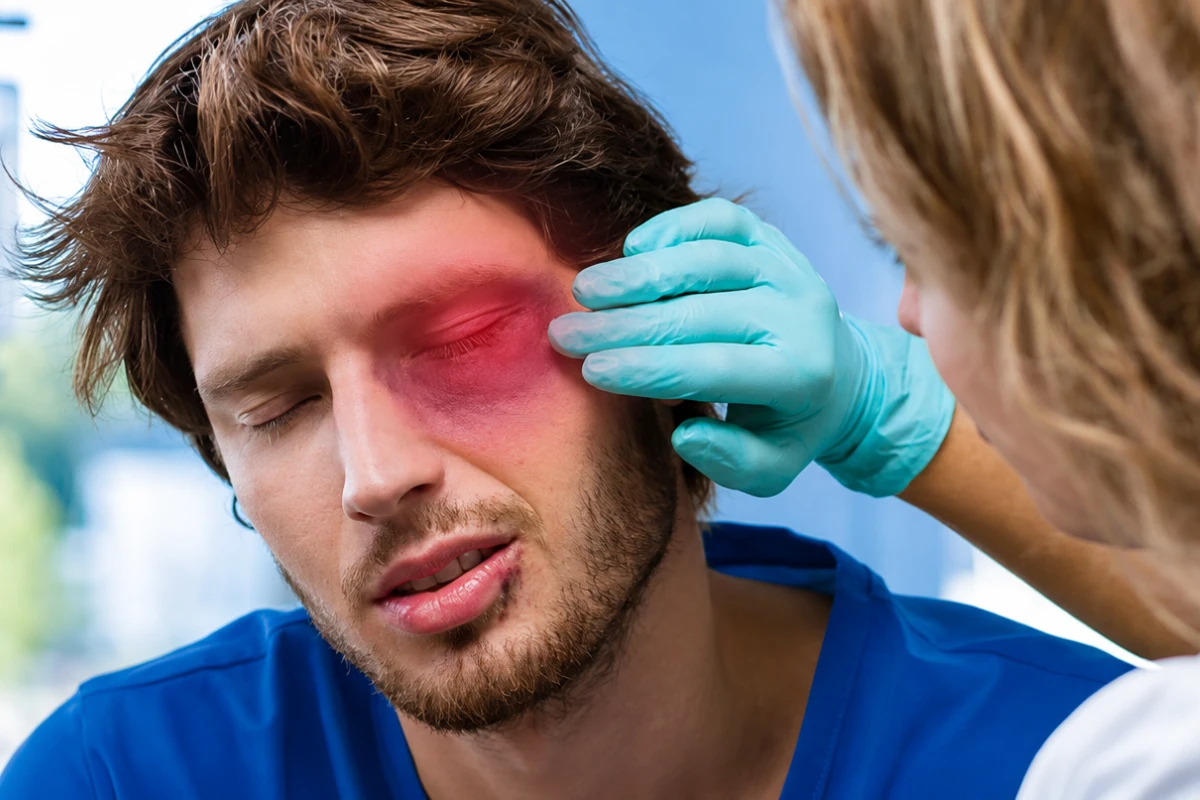
Eye injuries can happen within seconds. A football may strike the face, a metal fragment may fly from a power tool, or a cleaning chemical may splash into the eye before anyone has time to react.
Some injuries cause immediate pain, redness or blurred vision. Others may initially appear minor even though important structures inside the eye have been damaged. A person may have little external swelling but still have bleeding, a retinal tear, internal inflammation or an injury to the natural lens.
This is why Ocular Trauma in Dubai should never be assessed only by how the eye looks from the outside.
Chemical exposure, penetrating injuries, high-speed particles, sudden vision loss and significant blunt trauma require urgent medical attention. Early assessment can help reduce complications and protect the remaining vision.
Patients seeking Ocular Trauma Services in Dubai should understand which injuries are emergencies, what first aid to provide and, equally importantly, what they should never attempt at home.
What Is Ocular Trauma?
Ocular trauma refers to any injury affecting the eye, eyelids, surrounding bones or tissues around the eye.
The injury may involve:
- The eyelids
- The cornea, which is the clear front surface
- The conjunctiva, which covers the white part of the eye
- The iris and pupil
- The natural lens
- The vitreous gel inside the eye
- The retina at the back of the eye
- The optic nerve
- The muscles that move the eye
- The bones surrounding the eye
Eye trauma may be mild, moderate or severe. It may result from blunt force, a sharp object, chemicals, heat, radiation, dust, metal fragments or other foreign material.
The seriousness of the injury is not always obvious. A small high-speed fragment may enter the eye through a tiny wound that is difficult to see. A blow from a ball may cause internal bleeding without cutting the skin. Chemical burns may continue damaging the ocular surface until the substance is thoroughly washed away.
Why Eye Injuries Need Timely Assessment
Different parts of the eye work together to create vision. The cornea and lens focus light, while the retina converts it into electrical signals that travel through the optic nerve to the brain. Damage to any of these structures can reduce vision.
An injury may lead to:
- Corneal scratches or scarring
- Infection
- Bleeding inside the eye
- Traumatic cataract
- Abnormally high or low eye pressure
- Damage to the iris
- Lens displacement
- Retinal tears or detachment
- Optic nerve damage
- Double vision
- Permanent visual impairment
Some complications appear immediately, while others develop days, months or even years after the accident. For example, a previous injury can later contribute to cataract formation, glaucoma or retinal problems.
An eye that appears better after a few hours may still require examination if there was significant force, a high-speed particle, chemical exposure or any vision change.
Which Eye Injuries Are Medical Emergencies?
Seek immediate emergency treatment after an eye injury if there is:
- Sudden reduction or loss of vision
- A strong chemical in the eye
- A sharp object penetrating the eye
- An object visibly embedded in the eye
- A high-speed metal, glass or stone fragment
- A dark curtain or shadow in the vision
- New flashes or several new floaters
- Blood visible inside or coming from the eye
- Severe eye pain
- An irregular or unusually shaped pupil
- Inability to open or move the eye
- Double vision after trauma
- Severe sensitivity to light
- Nausea or vomiting with eye pain
- A deep cut involving the eyelid
- Increasing redness, pain or vision loss after eye surgery
- An eye that looks pushed forwards or displaced
- Loss of consciousness or other signs of head injury
Strong chemicals, sharp penetrating objects, high-speed impacts, severe pain and any change in sight after an injury are recognised reasons to seek emergency care.
Do not wait for the pain to become severe. Some serious retinal and internal eye injuries may be painless.
Sports-Related Eye Injuries

Sports injuries may occur when the eye is struck by a ball, finger, elbow, racquet, stick, shuttlecock or another player.
Sports associated with possible ocular trauma include:
- Football
- Cricket
- Basketball
- Padel
- Squash
- Badminton
- Tennis
- Hockey
- Martial arts
- Boxing
- Paintball
- Cycling
- Swimming and diving
- Gym and resistance training
Children and teenagers may be particularly vulnerable because they may not recognise a vision change or communicate their symptoms clearly.
Appropriate sports eyewear can prevent many sports-related eye injuries. The National Eye Institute advises using protective sports goggles with impact-resistant polycarbonate lenses for activities that carry an eye-injury risk.
Ordinary prescription glasses and sunglasses are not designed to provide the same protection as certified sports eyewear. Their frames or lenses may break during impact and cause additional injury.
Common Sports Eye Injuries
A direct blow to the eye
A ball, elbow or finger can compress the eye and damage internal structures.
Possible consequences include:
- Bruising around the eye
- Corneal abrasion
- Bleeding inside the front of the eye
- Iris injury
- Traumatic cataract
- Retinal tear
- Retinal detachment
- Fracture of the bones surrounding the eye
Even a seemingly mild blow should be assessed when there is pain, visual disturbance, flashes, floaters, double vision or significant swelling. The American Academy of Ophthalmology advises immediate medical contact when visual disturbance or pain occurs after even a light blow.
Finger or fingernail injury
A fingernail can scratch the cornea during basketball, martial arts, swimming or other close-contact activities.
A corneal abrasion can cause:
- Sharp pain
- Watering
- Redness
- Light sensitivity
- A persistent feeling that something is inside the eye
- Difficulty keeping the eye open
A superficial scratch may heal, but an examination may be required to assess its depth, rule out a retained foreign body and reduce the risk of infection. Deeper corneal injuries can lead to scarring and visual problems.
Racquet, shuttlecock or small-ball injuries
Small, fast-moving objects can fit within the eye socket and transfer considerable force directly to the eyeball.
The injury may cause internal bleeding or damage even when the skin is not cut. Any reduction in vision, severe pain, an irregular pupil or visible blood requires urgent assessment.
Penetration from broken equipment
Damaged sports equipment, shattered lenses, fishing hooks or other sharp objects may penetrate the eye.
Never try to pull out an embedded object. Do not press on the eye. Protect it loosely and seek emergency medical care immediately.
Workplace Eye Injuries
Workplace injuries may occur in construction sites, factories, workshops, laboratories, kitchens, hospitals, salons and maintenance environments.
Common workplace hazards include:
- Flying metal or wood particles
- Dust, sand and concrete
- Glass fragments
- Sparks
- Welding radiation
- Cleaning chemicals
- Acids and alkalis
- Hot oil or steam
- Molten metal
- Pressurised fluids
- Biological material
- Lasers and other intense light sources
Occupational eye hazards vary considerably. The correct eye protection may involve safety glasses, goggles, face shields or a full-face respirator, depending on the nature and extent of exposure. Protective equipment must provide suitable coverage and fit the individual correctly.
Common Workplace Eye Injuries
Flying particles
Grinding, hammering, drilling, cutting and welding can send small particles towards the eyes at high speed.
A visible speck resting on the surface may cause discomfort and watering. However, a high-speed metal fragment may penetrate the cornea and enter the eye.
The entry wound may be extremely small. The worker may initially notice only mild irritation.
Urgent assessment is needed when the injury happened during:
- Grinding metal
- Hammering metal against metal
- Chiselling
- Drilling
- Cutting with power tools
- Mowing or using landscaping machinery
- Working around shattered glass
High-speed eye injuries should be treated as potentially penetrating even when the object cannot be seen.
Dust, sand and loose debris
Dust or sand on the surface of the eye may cause redness, watering and a gritty sensation.
Do not rub the eye. Rubbing can drag the particles across the cornea and create scratches.
Blinking and gentle rinsing with clean water or saline may help remove loose surface particles. When the feeling continues, the particle may be trapped beneath the eyelid or embedded in the cornea and should be examined by an eye doctor.
Chemical splashes
Chemical eye injuries are genuine emergencies.
Possible workplace chemicals include:
- Bleach
- Oven or drain cleaners
- Cement
- Industrial cleaning agents
- Acids
- Alkalis
- Laboratory chemicals
- Battery fluid
- Fertilisers
- Hair and beauty products
Alkaline chemicals can penetrate eye tissues rapidly and may cause extensive injury. However, every significant chemical exposure should be treated seriously.
Immediate irrigation is more important than identifying the exact chemical before starting first aid. Washing should begin at once and continue while emergency assistance is being arranged. Chemical injuries require immediate evaluation because continued exposure can seriously damage the ocular surface and front of the eye.
Welding and intense light exposure
Welding without suitable protection can expose the cornea to ultraviolet radiation and lead to photokeratitis, sometimes called “welder’s flash.”
Symptoms may not begin immediately. Several hours later, the person may experience:
- Severe pain
- Gritty or burning eyes
- Watering
- Redness
- Light sensitivity
- Blurred vision
- Difficulty opening the eyes
The person should be assessed to confirm the diagnosis and rule out a retained foreign body or deeper injury.
Eye and face protection at work should be selected for hazards including flying objects, chemicals, welding arcs and other intense radiation.
Thermal burns
Steam, hot liquid, hot oil, flame or molten material can damage the eyelids and eye surface.
Burns around the eyelids can threaten corneal health because swelling or scarring may prevent the eye from closing properly. Significant burns require urgent medical assessment.
Chemical in the Eye: What Should You Do First?
A chemical splash is one situation in which first aid should begin before travelling to the hospital.
Step 1: Start rinsing immediately
Use plenty of clean, lukewarm water or sterile saline if readily available.
Do not delay while searching for a special eye solution. Tap water is appropriate when it is the fastest available option.
Step 2: Hold the eyelids open
The affected person may find it difficult to keep the eye open. Gently hold the lids apart so water can reach the eye surface.
Step 3: Remove contaminated contact lenses if possible
Do not delay irrigation to remove them. Begin rinsing first. Contact lenses may come out during irrigation.
Step 4: Continue flushing
Keep rinsing continuously while medical help is arranged. Strong chemicals require urgent hospital assessment, and irrigation should continue during the wait when possible.
Step 5: Take the chemical information with you
Bring the product container, label or safety data information when it can be done safely. This may help the medical team understand the exposure.
Never do the following after a chemical splash
- Do not rub the eye.
- Do not place ice directly on the eye.
- Do not use random eye drops.
- Do not try to neutralise an acid with an alkali or vice versa.
- Do not wait for pain or redness to settle.
- Do not cover the eye before adequate irrigation.
What to Do When an Object Is Embedded in the Eye
An object that appears stuck in the eyeball is a severe emergency.
Do not:
- Pull it out
- Push it further in
- Touch or move it
- Wash the eye forcefully
- Press a dressing against it
- Apply ointment or drops
- Allow the person to rub the eye
- Give food or drink if emergency surgery may be needed
Leave the object in place. Place a rigid protective shield, such as the bottom of a clean paper cup, loosely around the eye without applying pressure. Seek emergency treatment immediately.
What to Do After a Blunt Eye Injury
A direct hit from a ball, elbow, tool or falling object may cause swelling and bruising.
For a minor external blow, a clean cold compress can be placed gently around the eye without pressing on the eyeball. However, medical examination is still required when there is pain, visual change or significant force.
Seek urgent treatment when the person has:
- Blurred or double vision
- Loss of vision
- Severe pain
- Blood inside the eye
- An irregular pupil
- Increasing swelling
- Nausea or vomiting
- Difficulty moving the eye
- Numbness of the cheek or upper lip
- Flashes, floaters or a curtain-like shadow
- Loss of consciousness
Do not place pressure on an injured eye, particularly when an open-globe injury is possible.
Symptoms That May Appear Later
A person may feel relatively well immediately after a sports or workplace accident. Delayed symptoms can still indicate a complication.
Seek an eye examination if the following appear later:
- Increasing pain
- Worsening redness
- Light sensitivity
- Reduced or cloudy vision
- Flashes of light
- New floaters
- A shadow or curtain in the visual field
- Persistent double vision
- Headache with eye pain
- Continued foreign-body sensation
- Discharge
- Increasing eyelid swelling
- Difficulty opening the eye
Trauma can create a retinal tear that later progresses to retinal detachment. New flashes, a sudden increase in floaters or a curtain-like shadow require immediate assessment because early treatment can help prevent permanent vision loss.
Can You Judge an Eye Injury by the Level of Pain?
No.
A corneal scratch may cause intense pain because the cornea contains many sensitive nerve endings. In contrast, retinal damage or internal bleeding may cause little or no pain despite being visually serious.
Pain is therefore not a reliable measure of severity.
Urgency should be based on:
- How the injury happened
- The speed and type of object
- Whether a chemical was involved
- Whether vision has changed
- Whether the eye was penetrated
- Whether there are flashes, floaters or a shadow
- Whether the pupil or eye position looks abnormal
How Is Ocular Trauma Assessed?
An eye-trauma assessment depends on the nature of the injury. The ophthalmologist may first ask:
- What caused the injury?
- When did it happen?
- Was the object travelling at high speed?
- Was protective eyewear being used?
- Was a chemical involved?
- Was the eye rinsed?
- Has vision changed?
- Was there previous eye surgery?
- Is the patient taking blood-thinning medication?
- Was there loss of consciousness?
The examination may include:
Vision testing
Each eye is assessed separately. Even a small difference may provide important information.
Pupil examination
An irregular or poorly reacting pupil may suggest internal injury.
Slit-lamp examination
A microscope is used to inspect the cornea, conjunctiva, front chamber, iris and lens.
Fluorescein staining
A special dye can highlight scratches, foreign bodies and possible leaks from a penetrating wound.
Eye-pressure measurement
Pressure may be checked when it is safe. It should be avoided when an open-globe injury is suspected until the eye has been appropriately assessed.
Dilated retinal examination
The retina may be examined for bleeding, tears or detachment.
Imaging
Ultrasound, X-ray or CT imaging may be required when a fracture, hidden foreign body or deeper injury is suspected.
How Are Eye Injuries Treated?
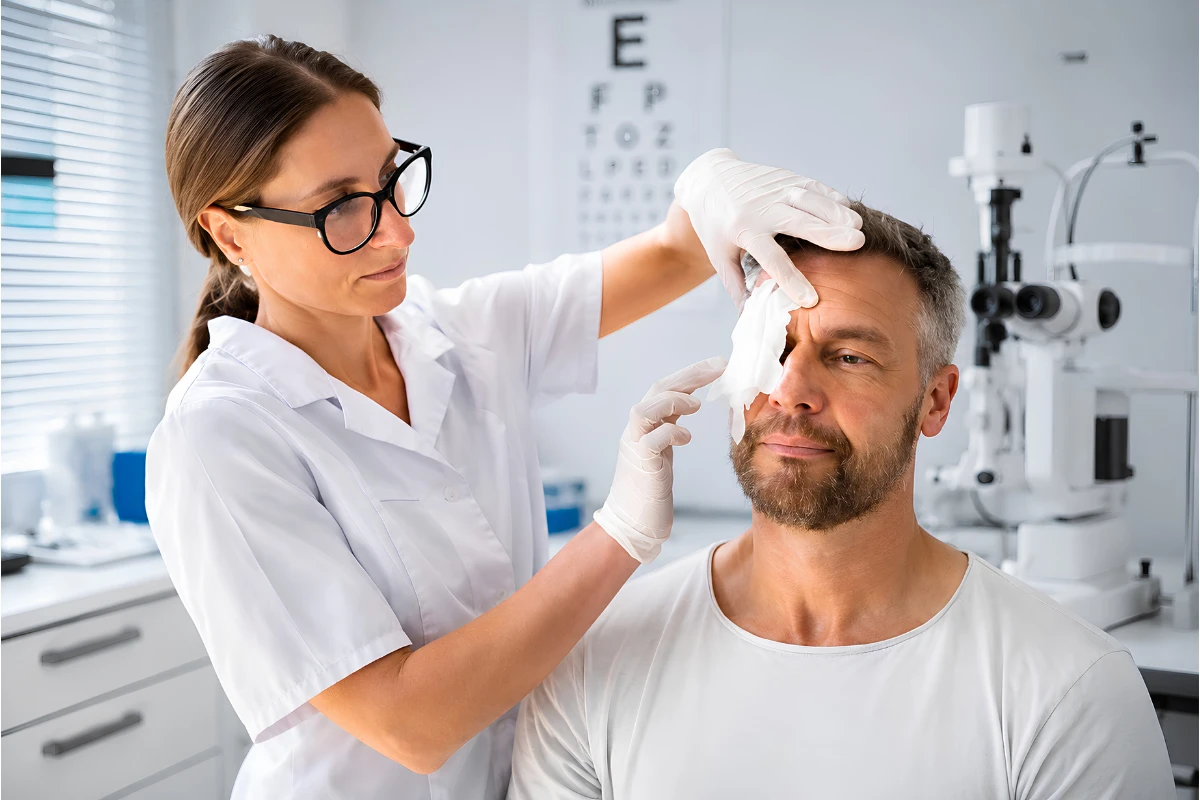
Treatment depends on the affected structure and severity.
Possible treatments include:
- Lubricating drops or ointment
- Antibiotic drops or ointment
- Removal of a surface foreign body
- Anti-inflammatory treatment
- Medication to control eye pressure
- Protective contact lenses
- Repair of an eyelid wound
- Laser treatment for a retinal tear
- Surgery for a penetrating injury
- Surgery for retinal detachment
- Treatment of traumatic cataract
- Repair of fractures around the eye
- Long-term monitoring for glaucoma or other delayed complications
Some injuries need only short-term treatment and review. Others require several specialists, including corneal, retinal, oculoplastic or orbital surgeons.
Preventing Sports-Related Ocular Trauma
Protective eyewear should be selected for the particular sport.
Helpful precautions include:
- Wearing sports goggles with impact-resistant polycarbonate lenses
- Using helmets or face guards where appropriate
- Replacing damaged or scratched protective eyewear
- Ensuring children’s eyewear fits correctly
- Using prescription sports goggles rather than ordinary spectacles
- Following safety rules during training and matches
- Keeping sharp or damaged equipment out of play
- Avoiding participation until a previous eye injury has been medically cleared
Protective eyewear can prevent the majority of sports-related eye injuries when it is appropriate for the activity and worn correctly.
Preventing Workplace Ocular Trauma

Workplace protection should begin with identifying the specific hazard.
Depending on the environment, workers may require:
- Safety glasses with side protection
- Sealed or indirectly vented goggles
- Face shields
- Welding helmets
- Full-face respirators
- Prescription safety eyewear
- A combination of goggles and a face shield
A face shield alone may not provide adequate protection from fine particles or chemical splashes. Workers who wear prescription glasses or contact lenses still need suitable protective equipment over or instead of ordinary eyewear.
Employers should also provide:
- Hazard-specific safety training
- Accessible eyewash stations
- Clear chemical labels
- Functional machine guards
- Well-maintained tools
- Appropriate lighting
- Emergency response procedures
- Regular inspection of protective equipment
Workplace eye and face protection should be used whenever workers are exposed to mechanical particles, chemicals, radiological hazards or other environmental irritants.
When Can a Minor Eye Injury Be Monitored at Home?
A very minor irritation from loose dust may improve after gentle rinsing. Mild external bruising may settle with a cold compress.
However, home care is not suitable when:
- Vision has changed
- Pain is moderate or severe
- Symptoms continue after rinsing
- A chemical was involved
- The object travelled at high speed
- Something appears embedded
- There is a cut to the eyeball or eyelid
- Blood is visible
- The pupil looks unusual
- The person cannot keep the eye open
- Flashes, floaters or a shadow develop
- The patient is a young child who cannot describe the symptoms
When uncertain, it is safer to arrange an ophthalmic assessment.
Seeking Ocular Trauma Services in Dubai
Sports and workplace eye injuries should never be dismissed simply because the eye is not bleeding or the pain seems manageable.
Chemical splashes, penetrating injuries, high-speed particles, sudden vision changes and major blunt trauma require emergency assessment. Even less dramatic injuries may need examination when discomfort, redness or blurred vision continues.
When looking for Ocular Trauma Services in Dubai, choose a facility that can provide timely ophthalmic assessment, detailed examination of the front and back of the eye, diagnostic imaging and access to appropriate surgical or retinal care when necessary.
Dr Mandeep Lamba provides comprehensive evaluation for Ocular Trauma in Dubai, including sports injuries, workplace accidents, chemical exposure, corneal foreign bodies and trauma-related vision changes. If an injury has caused sudden visual loss, severe pain, a penetrating wound or chemical exposure, seek emergency medical attention immediately rather than waiting for a routine appointment.
Fast first aid and timely specialist evaluation can make an important difference to long-term eye health and vision.
Frequently Asked Questions
Should I rub my eye if dust enters it?
No. Rubbing may scratch the cornea or push the particle deeper. Blink several times and rinse gently with clean water or saline. Seek medical care if discomfort or blurred vision continues.
Can I remove a metal particle with tweezers?
No. Do not use tweezers, cotton buds, magnets or other tools near the eye. A metal fragment may be embedded in the cornea or may have penetrated deeper into the eye.
Should I use eye drops after an injury?
Do not use leftover prescription drops or over-the-counter redness drops unless advised by a medical professional. Some medicines, particularly steroid eye drops, may worsen infection or delay healing in certain injuries.
Is a black eye always harmless?
No. Bruising around the eye may be superficial, but the force can also damage internal eye structures or fracture the surrounding bones. Pain, visual disturbance or significant trauma requires medical assessment.
Can a chemical injury be treated after the burning settles?
It should not be delayed. Begin rinsing immediately and seek emergency treatment. Reduced pain does not confirm that the chemical has stopped damaging the eye.
Can normal vision immediately after an injury rule out retinal damage?
No. Some retinal tears or other complications may produce symptoms later. Attend follow-up examinations as advised and seek urgent treatment for flashes, new floaters or a curtain-like shadow.
Are regular glasses enough for sport or power-tool work?
Usually not. Ordinary glasses are not designed as certified impact protection. Use hazard-specific safety eyewear or sports goggles with suitable impact-resistant lenses.
Can contact lenses protect the eyes from dust or chemicals?
No. Contact lenses are not protective equipment. Workers wearing contact lenses must still use appropriate eye and face protection in hazardous environments.
Do all eye injuries require surgery?
No. Many injuries can be treated with medication, foreign-body removal or observation. Surgery may be required for penetrating injuries, retinal detachment, severe eyelid wounds, traumatic cataract or other structural damage.
When can I return to sport or work?
Return depends on the type of injury, treatment and risk of another impact. Do not resume high-risk activity until an ophthalmologist confirms that the eye has healed adequately and recommends suitable protection.


