
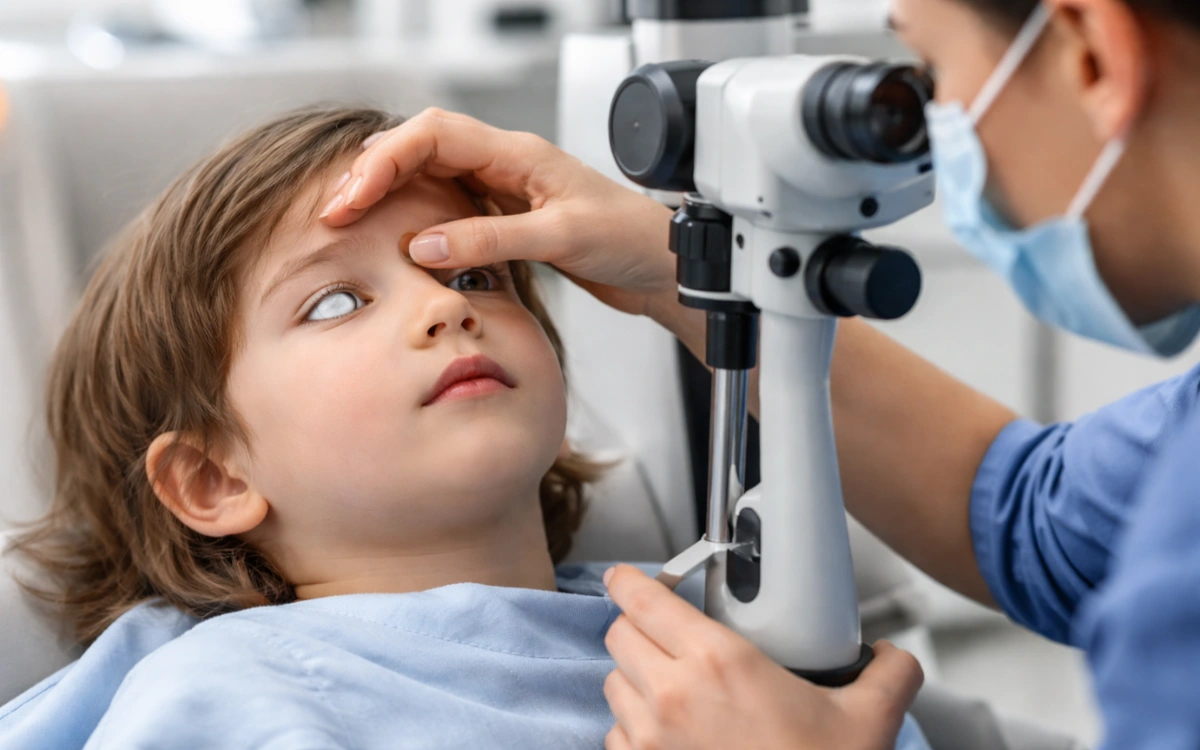
Pediatric cataract surgery is one of the most important procedures in children’s eye care. Many parents associate cataracts with older adults, yet this condition can also affect babies and young children. In fact, when cataracts occur early in life, they can have lifelong consequences if not treated on time.
A cataract is a clouding of the eye’s natural lens, which blocks or distorts light entering the eye. In infants and young children, this cloudy lens prevents normal visual development. The earlier the cataract is detected and treated, the better the chances for normal vision. Delayed treatment can result in permanent vision impairment or even blindness. This is why early awareness and timely action are absolutely critical.
Understanding Pediatric and Congenital Cataracts
A pediatric cataract refers to any lens opacity found in infants or children. When a child is born with the condition, it is known as a congenital cataract. In other cases, cataracts may develop later in childhood due to trauma, infections, or metabolic disorders.
Cataracts in children are very different from those in adults. In adults, the eye has already developed, so the goal is simply to restore clear vision. In children, however, the eye and brain are still learning to work together. Any obstruction in visual input during this learning period can disrupt the brain’s visual development, a process known as amblyopia or “lazy eye”. This is why congenital cataract treatment must be done as early as possible.
Causes of Cataracts in Children
There are several possible causes of cataracts in infants and children. Some are genetic, while others may be due to environmental or medical factors.
1. Genetic and Hereditary Causes
Many congenital cataracts are inherited. Mutations in certain genes responsible for lens proteins can lead to clouding at birth. A family history of childhood cataracts significantly increases the risk.
2. Infections During Pregnancy
If a mother contracts infections such as rubella, cytomegalovirus, herpes, or toxoplasmosis during pregnancy, the baby may develop cataracts. This is why routine prenatal care and vaccination are vital for prevention.
3. Metabolic Disorders
Conditions like galactosaemia or diabetes can affect the metabolism of sugars in the body, leading to cataract formation even in newborns.
4. Eye Injuries and Medications
Trauma to the eye or prolonged use of steroid medication can also trigger cataracts in older children.
Understanding the cause helps the doctor plan appropriate pediatric cataract surgery and follow-up care to protect vision development.
Recognising Early Signs: Child Cataract Symptoms
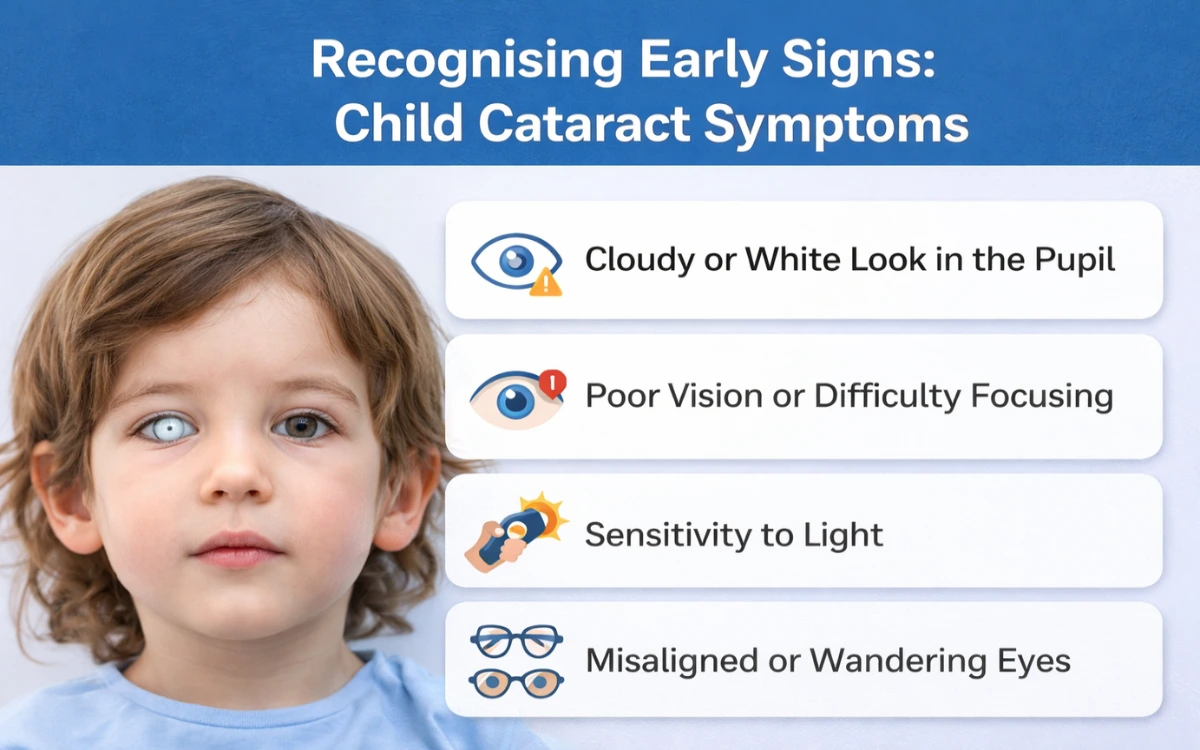
Detecting cataracts early can be challenging because babies cannot express their visual difficulties. Parents should stay alert to subtle signs of vision problems. Common child cataract symptoms include:
- A white or grey reflex in the pupil instead of the normal black appearance
- Constant squinting or abnormal eye movements
- Difficulty tracking objects or maintaining eye contact
- Sensitivity to bright light
- One eye that appears to wander or drift
- Poor visual responses to faces or toys
Paediatricians and ophthalmologists often perform red reflex tests in newborns to detect cataracts. However, parents should not hesitate to request an eye examination if they suspect any abnormality.
Why Early Detection Matters
In the first few months of life, a baby’s visual system develops rapidly. The brain learns to interpret the images sent by the eyes. If one or both eyes send blurred or blocked images due to cataracts, the brain may begin to “ignore” that eye’s input. This condition is called amblyopia, and it can become permanent if untreated during early development.
This makes early detection and timely congenital cataract treatment critical. When the cataract is identified and removed early, the brain continues to receive proper visual input, allowing normal visual pathways to form.
Timing Is Everything: The Importance of Early Surgery
When it comes to pediatric cataract surgery, timing determines outcome. Studies show that surgery within the first 6–8 weeks of life yields the best visual results for congenital cataracts. In cases where only one eye is affected, even a few weeks of delay can make a difference.
The goal of early surgery is not only to remove the cloudy lens but also to provide the child with clear visual stimulation during a crucial period of brain development. This gives the visual system a fair chance to mature normally.
If surgery is delayed, the visual deprivation continues, leading to permanent vision loss even after the cataract is eventually removed. Therefore, early surgery provides both immediate and long-term early cataract surgery benefits, ensuring better depth perception, eye alignment, and overall development.
How Pediatric Cataract Surgery Is Performed
Although the concept is similar to adult cataract surgery, paediatric procedures are much more complex and delicate. They require specialised equipment, precise techniques, and highly skilled surgeons.
During surgery, the cloudy lens is removed under general anaesthesia. Depending on the child’s age, the surgeon may implant an intraocular lens (IOL) to replace the natural lens. In very young infants, an artificial lens might be avoided initially, with glasses or contact lenses used instead, since the eye is still growing.
Microsurgical instruments and advanced technology are used to ensure safety and accuracy. Postoperative care includes close monitoring for inflammation, glaucoma, or visual imbalance. Parents are taught how to use prescribed eye drops and ensure the child wears appropriate visual correction.
Vision Rehabilitation After Surgery
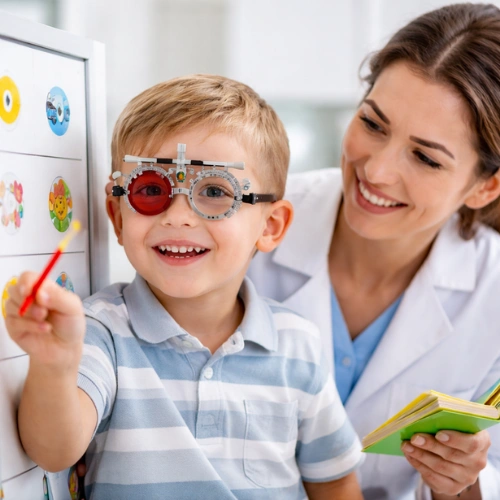
Surgery alone is not the end of treatment. After pediatric cataract surgery, vision rehabilitation plays a crucial role. The child may need:
- Glasses or contact lenses: To replace the focusing power of the removed lens.
- Patching therapy: If one eye is weaker, the stronger eye is covered for a few hours daily to encourage the weaker eye to develop.
- Regular eye check-ups: To monitor healing, eye pressure, and overall vision progress.
This long-term commitment helps ensure the best visual outcome and prevents amblyopia.
Early Cataract Surgery Benefits
Parents often wonder about the risks and rewards of early surgery. While any surgery on a baby can seem daunting, the early cataract surgery benefits clearly outweigh the risks. Some key advantages include:
- Better visual development: The brain receives clear images early, enabling normal sight.
- Reduced risk of lazy eye: Early treatment prevents amblyopia from setting in.
- Improved eye coordination: Helps both eyes work together for better depth perception.
- Enhanced quality of life: Children can develop motor skills, social interaction, and learning abilities normally.
- Fewer long-term complications: Delayed surgery increases the risk of irreversible vision damage.
When performed by an experienced pediatric eye specialist, early cataract surgery is safe, effective, and life-changing.
Postoperative Care and Long-Term Monitoring
Children who undergo cataract surgery need ongoing follow-up care to monitor their visual progress and ensure eye health. The first year after surgery is particularly important. Eye examinations are scheduled frequently to adjust glasses or contact lens prescriptions and to detect any complications early.
Common postoperative concerns include inflammation, glaucoma, or posterior capsule opacity (a thin film developing behind the lens implant). These issues are usually manageable with regular monitoring and treatment.
Parents should also ensure that their child wears protective eyewear during play and outdoor activities, as their eyes may be more sensitive after surgery.
The Role of a Pediatric Eye Specialist
Choosing the right pediatric eye specialist can make all the difference in managing cataracts in children. Paediatric ophthalmologists are trained to handle the unique needs of young eyes, including anaesthesia management, delicate surgical techniques, and long-term visual rehabilitation.
They work closely with neonatologists, paediatricians, and vision therapists to provide holistic care. Their expertise ensures not only the removal of the cataract but also the proper development of the child’s visual system.
Supporting Parents Through the Process
Hearing that your child needs eye surgery can be frightening. However, it is important to remember that modern paediatric ophthalmology offers excellent outcomes. Many children go on to live completely normal lives with clear vision after timely surgery and proper follow-up.
Support from doctors, family, and parent groups can help reduce anxiety. Parents are encouraged to ask questions, understand every step of the treatment, and participate actively in their child’s recovery journey.
Preventing Childhood Cataracts
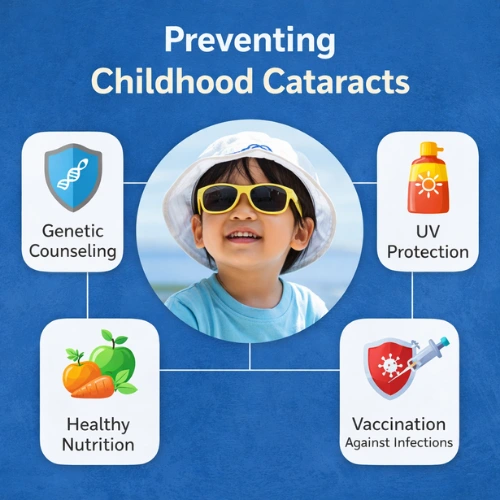
While not all cataracts can be prevented, a few steps can reduce the risk:
- Prenatal care: Regular antenatal check-ups and rubella vaccinations help prevent infections that cause congenital cataracts.
- Healthy maternal diet: Adequate nutrition supports foetal eye development.
- Early screening: Babies with a family history of cataracts should have an eye exam soon after birth.
- Protecting from injury: Use child-safe toys and teach older children about eye safety.
Preventive care combined with early diagnosis ensures that children have the best possible start in life.
Conclusion
Timely pediatric cataract surgery can transform a child’s future by preventing permanent vision loss and supporting normal eye development. With modern surgical techniques and specialised postoperative care, most children regain excellent vision and live healthy, active lives.
If you suspect your child shows any child cataract symptoms, seek prompt evaluation from Dr. Mandeep Lamba, Retina Specialist, Dubai. His clinic provides advanced congenital cataract treatment and personalised care designed for infants and children.
To book a consultation, contact Dr. Mandeep Lamba’s Clinic, Dubai at +971524227000 and give your child the lifelong gift of clear vision.


