
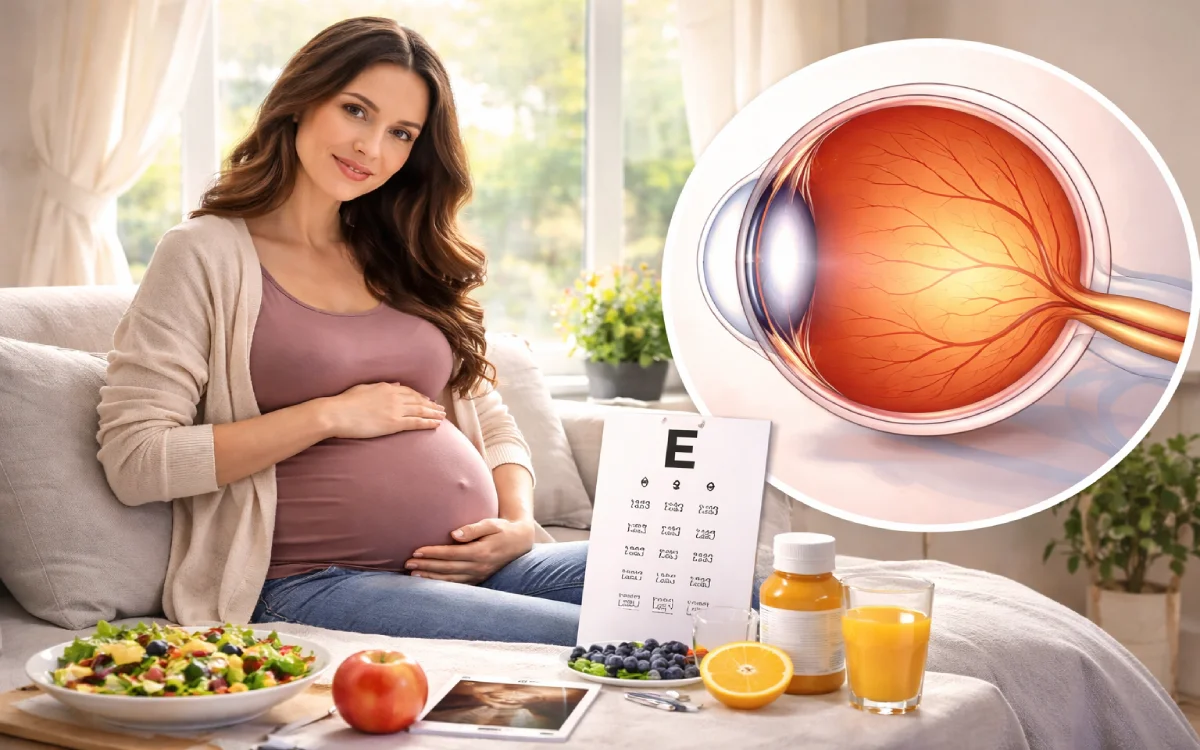
Pregnancy and eye health are more closely linked than most women realise. While pregnancy brings many wonderful changes, it also causes subtle shifts in nearly every part of the body — including the eyes. Some of these changes are temporary and harmless, while others may signal underlying issues that need medical attention.
For most mothers, these eye changes go unnoticed or resolve after delivery. However, in certain cases, especially when conditions like hypertension or diabetes are involved, pregnancy can affect the retina and lead to vision problems. Understanding how pregnancy influences eye health and recognising early warning signs can help protect both mother and baby.
Understanding the Connection Between Pregnancy and Eye Health
Pregnancy triggers a complex mix of hormonal, metabolic, and circulatory changes. These shifts help support the baby’s growth but can also alter the mother’s visual system. Oestrogen and progesterone levels increase, leading to changes in fluid balance, blood pressure, and vascular tone. These hormonal fluctuations can temporarily affect the cornea, retina, and even the optic nerve.
Some women may experience mild symptoms such as blurred vision, dryness, or increased sensitivity to light. In most cases, these are benign and disappear after childbirth. However, certain retinal changes during pregnancy can be more serious and may indicate conditions like pregnancy retinopathy or hypertensive eye disease.
Retinal Changes During Pregnancy
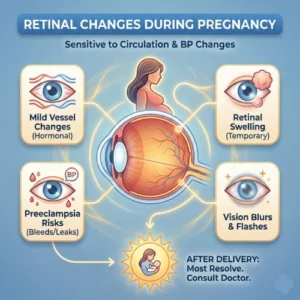
The retina is a delicate layer of tissue at the back of the eye that senses light and sends images to the brain. Because it is filled with tiny blood vessels, it is particularly sensitive to changes in blood pressure and circulation — both of which can be affected during pregnancy.
Common retinal changes in pregnancy include:
- Mild narrowing or dilation of retinal vessels due to hormonal changes
- Temporary swelling in the retina or optic disc
- Small haemorrhages or fluid leakage in cases of preeclampsia
- Vision disturbances such as blurriness or flashing lights
Most of these changes resolve after delivery, but when associated with systemic conditions, they can become serious.
Pregnancy Retinopathy: What It Means
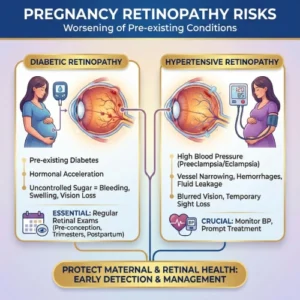
One of the most concerning pregnancy retinopathy risks is the development or worsening of pre-existing retinal diseases, especially in women with diabetes or hypertension.
1. Diabetic Retinopathy in Pregnancy
Women who have diabetes before becoming pregnant are at higher risk of developing or worsening diabetic retinopathy. The hormonal changes of pregnancy can accelerate damage to the retinal blood vessels. Uncontrolled blood sugar levels further increase the risk of bleeding, swelling, and vision loss.
Regular retinal examinations are therefore essential for diabetic mothers. Ideally, women with diabetes should undergo an eye check before conception, during each trimester, and after delivery.
2. Hypertensive Retinopathy in Pregnancy
High blood pressure, particularly in cases of preeclampsia or eclampsia, can affect the blood vessels in the retina. Signs include narrowing of vessels, haemorrhages, and fluid leakage. In severe cases, it may cause blurred vision or temporary loss of sight.
Monitoring blood pressure and promptly treating hypertension are crucial steps in protecting both maternal and retinal health.
Common Eye Symptoms During Pregnancy
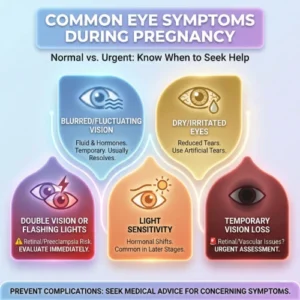
Some visual symptoms during pregnancy are normal and temporary. However, others may require medical attention. Here are the most common ones:
- Blurred or fluctuating vision: Caused by fluid retention and hormonal changes. Usually resolves after childbirth.
- Dry or irritated eyes: Due to reduced tear production. Artificial tears can provide relief.
- Double vision or flashing lights: May signal retinal problems or preeclampsia and should be evaluated immediately.
- Light sensitivity: Common in later stages of pregnancy due to hormonal shifts.
- Temporary vision loss: Always requires urgent medical assessment to rule out retinal detachment or vascular issues.
Knowing when to seek help can prevent serious pregnancy eye complications.
Pregnancy Eye Complications to Watch Out For
While most eye symptoms during pregnancy are mild, a few can point to serious underlying problems. Some of the key pregnancy eye complications include:
1. Preeclampsia-Related Retinopathy
Preeclampsia is a pregnancy-related condition characterised by high blood pressure and organ dysfunction. It can cause swelling, bleeding, or detachment in the retina, resulting in blurred or distorted vision. This is a medical emergency that requires immediate attention from both obstetric and ophthalmic specialists.
2. Central Serous Chorioretinopathy (CSCR)
This condition involves the accumulation of fluid under the retina, leading to distorted or blurred central vision. Hormonal stress and corticosteroid changes during pregnancy are believed to contribute. In most cases, it resolves after delivery but should be closely monitored.
3. Retinal Detachment
Although rare, retinal detachment can occur in women with severe hypertension, trauma, or pre-existing high myopia. Early detection is key to preventing permanent vision loss.
Maternal Eye Care: Protecting Vision During Pregnancy
Taking care of your eyes during pregnancy is just as important as maintaining overall health. Following simple maternal eye care practices can help prevent complications and ensure healthy vision throughout this period.
1. Schedule Routine Eye Examinations
Pregnant women, especially those with diabetes or high blood pressure, should schedule comprehensive eye exams each trimester. Retinal imaging allows early detection of any vascular or structural changes.
2. Monitor Blood Pressure and Blood Sugar
Both hypertension and uncontrolled diabetes are major risk factors for retinal damage. Maintaining optimal levels helps protect the tiny vessels in the eyes from stress and rupture.
3. Stay Hydrated and Eat Well
A diet rich in vitamins A, C, and E, as well as omega-3 fatty acids, supports eye health. Foods like carrots, leafy greens, fish, and citrus fruits nourish the retina and help maintain clear vision.
4. Manage Eye Strain
Pregnancy fatigue can increase eye strain. Adequate rest, proper lighting, and screen breaks help maintain comfort and focus.
5. Avoid Unnecessary Medications
Always consult your doctor before using any eye drops or medications during pregnancy, as some may not be safe for the developing baby.
Postpartum Vision Changes
After delivery, most women notice an improvement in their vision. However, some may continue to experience temporary blurriness or dryness due to hormonal fluctuations, lack of sleep, and breastfeeding-related dehydration.
If symptoms persist beyond a few weeks, an eye examination is recommended to rule out conditions like postpartum retinopathy or optic nerve swelling.
Women with diabetes should continue regular retinal monitoring after delivery since blood sugar fluctuations during breastfeeding can still affect the eyes.
Preventing Vision Problems During Pregnancy
Preventive care is the foundation of good pregnancy and eye health. By staying proactive and attentive, mothers can reduce the risk of serious complications.
Here are some effective preventive strategies:
- Attend all prenatal check-ups and follow medical advice closely.
- Inform your gynaecologist about any pre-existing eye conditions.
- Follow a balanced diet and maintain hydration.
- Get enough sleep and rest to avoid visual fatigue.
- Report any vision changes immediately to your doctor.
These small, consistent steps make a significant difference in maintaining healthy eyesight throughout pregnancy and beyond.
When to See an Eye Specialist
Expectant mothers should see an ophthalmologist immediately if they notice any of the following:
- Sudden blurred or double vision
- Persistent headache with visual changes
- Flashes of light, dark spots, or sudden vision loss
- Pain, redness, or swelling in the eyes
- Any unusual visual symptoms with elevated blood pressure
Consulting a pediatric and maternal eye specialist ensures that any eye problem related to pregnancy is diagnosed and treated early. Eye care during pregnancy must always be collaborative, involving both obstetric and ophthalmology teams.
Empowering Mothers Through Education
Awareness is the strongest tool in preventing pregnancy eye complications. Many women ignore vision changes, assuming they are normal parts of pregnancy. In reality, timely eye check-ups can identify early signs of dangerous conditions such as preeclampsia or diabetic retinopathy.
Educating mothers-to-be about retinal changes in pregnancy empowers them to seek help early, ensuring a safer experience for both themselves and their babies.
Conclusion
Pregnancy and eye health are deeply interconnected, and regular retinal check-ups are a vital part of maternal care. Understanding potential retinal changes during pregnancy and responding promptly to visual symptoms can prevent serious complications.
If you are expecting and wish to safeguard your vision, consult Dr Mandeep Lamba, an Ophthalmologist and retina specialist in Dubai, for expert maternal eye care. He provides advanced retinal screening and management of pregnancy eye complications, ensuring the best outcomes for mothers.
To book your consultation, contact Dr. Mandeep Lamba at +971524227000 and protect your eye health throughout pregnancy and beyond.


